
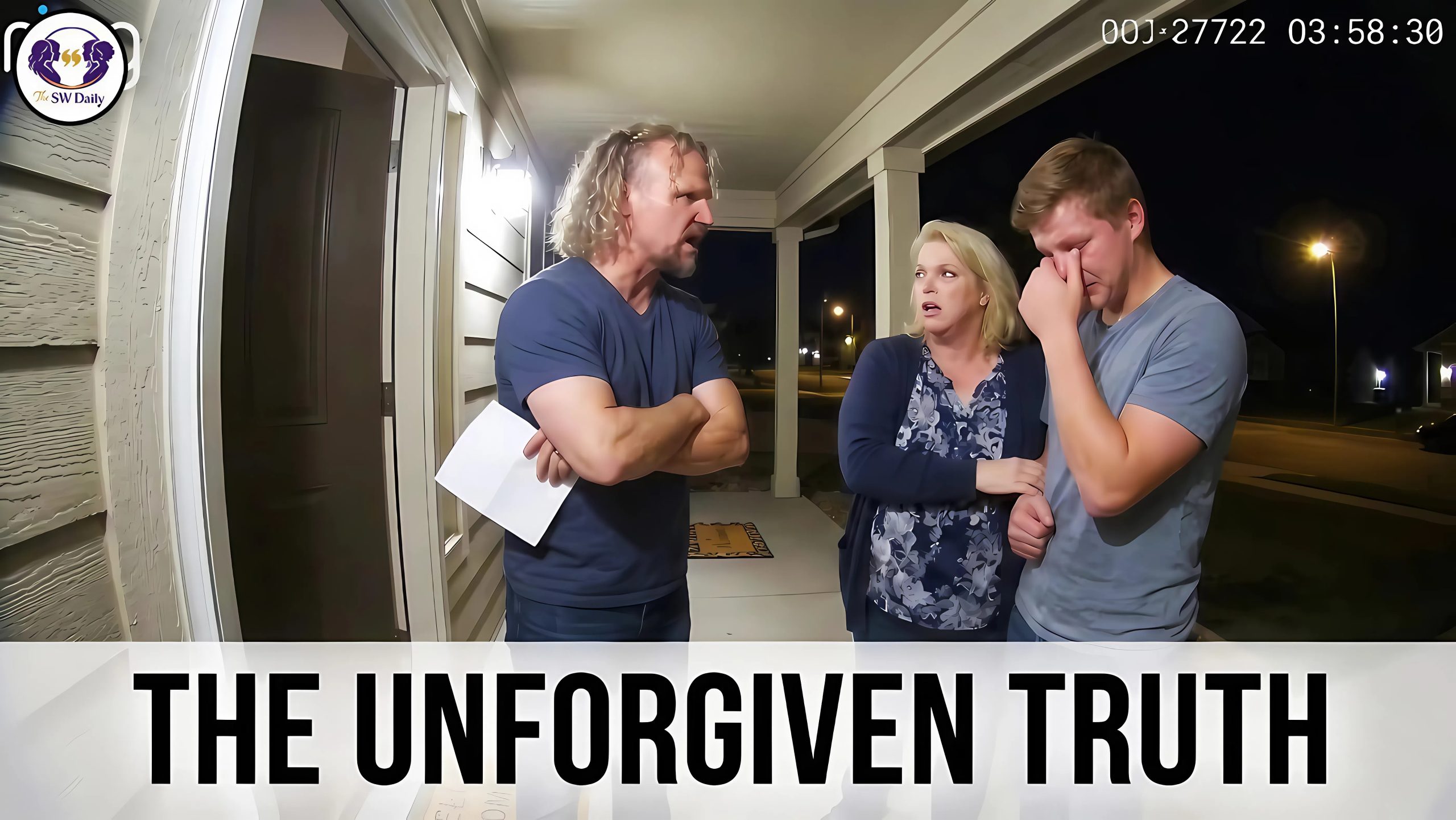
Kody Brown IGNORED His Sons For Months And His Own Camera Caught Everything
Kody Brown IGNORED His Sons For Months And His Own Camera Caught Everything
When the world came to a standstill in the spring of 2020, families everywhere were forced to make impossible decisions. Distance became a form of protection, and isolation turned into an act of care. But inside the Brown family, what unfolded during that time would become one of the most defining and painful chapters in their story—one that exposed truths long buried beneath years of compromise, patience, and quiet acceptance.
At the center of it all stood Kody Brown, a man responsible for four households and 18 children. Faced with a global crisis, he had an opportunity—perhaps the most important one of his life—to unite his family under shared hardship. Instead, what played out revealed something far more complicated. Under the justification of strict health protocols, Kody made choices that would leave lasting scars, particularly on the children who were old enough to see clearly what was happening.
What makes this chapter so powerful is not just the decisions themselves, but the fact that they were all documented. Kody openly laid out his COVID rules on camera, explaining in detail what he expected from each household. He framed these protocols as necessary, reasonable, and rooted in concern for everyone’s safety. But once those expectations were established, every action that followed became part of an undeniable record—one that could not be rewritten or softened over time.
Because what the footage ultimately reveals is not consistency, but contradiction.
On the surface, the rules appeared fair. They were presented as universal guidelines meant to protect the entire family equally. But as time went on, it became increasingly clear that those rules were not being applied the same way across all households. Some families experienced stricter enforcement, while others seemed to benefit from flexibility. And it was this imbalance—this visible gap between what was said and what was done—that left the deepest impact.
For Kody’s children, especially those in Janelle’s household, the pandemic was not just a period of isolation. It was a time of observation. Day by day, they watched their father make choices—real, immediate decisions that affected their lives directly. And what those decisions communicated was impossible to ignore: not all relationships were being treated equally.
Kody consistently defended his actions. In interviews and conversations, he maintained that everything he did was in the name of protection. He spoke about the difficulty of the situation, the pressure of making the right calls, and the importance of following available guidance. But even if one accepts those explanations at face value, a troubling question remains: why did “protecting the family” look so different depending on which household was involved?
This question becomes even more painful when considering his relationships with his sons, particularly Gabe and Garrison. Despite living just minutes away, they were kept at a distance, treated less like children in need of connection and more like risks to be managed. The emotional toll of that distance was profound. Gabe, in a moment of raw honesty, admitted that during that time, he didn’t feel like he had a father at all.
That statement alone speaks volumes. It reflects not just temporary frustration, but a deep sense of abandonment that had been building over time. And for Garrison, the strain in his relationship with Kody only intensified, creating a divide that would never fully heal.
Meanwhile, other parts of the family were facing their own struggles. Christine dealt with serious challenges in her household with little visible support from Kody. The lack of presence during critical moments didn’t go unnoticed, and it contributed to a growing realization that something fundamental was broken.
The pandemic, in this sense, did not create new problems—it exposed existing ones. Patterns that had once been easy to overlook became impossible to deny when viewed in rapid succession. Unlike the slow accumulation of small disappointments over years, the events of 2020 unfolded quickly, leaving no room for reinterpretation or doubt.
One of the most telling moments came during a conversation between Kody and Janelle, where he carefully explained his COVID protocols. On the surface, it seemed like a calm and rational discussion. But beneath it, something far more significant was happening. Janelle, known for her patience and practicality, was quietly processing what those rules would mean for her children. In her expression, you could see the realization taking shape—a recognition that these decisions were not as neutral as they appeared.
That moment marked a turning point. Not because it caused immediate action, but because it clarified something Janelle had likely been grappling with for a long time. She wasn’t someone who made impulsive decisions. When she eventually chose to step away from the marriage, it wasn’t due to a single conflict, but the culmination of countless observations—many of which became undeniable during the pandemic.
What this period ultimately revealed about Kody was a pattern that had always existed but had never been so clearly visible. When presented with a justification—whether it was logistical complexity in the past or health concerns during COVID—he leaned into it fully, using it to support decisions he was already inclined to make. The reasoning changed over time, but the outcome remained consistent.
Before the pandemic, the challenges of managing multiple households provided a convenient explanation for uneven attention. During the pandemic, health protocols served a similar purpose. And afterward, the narrative shifted again, suggesting that the damage was simply the result of pre-existing fractures.
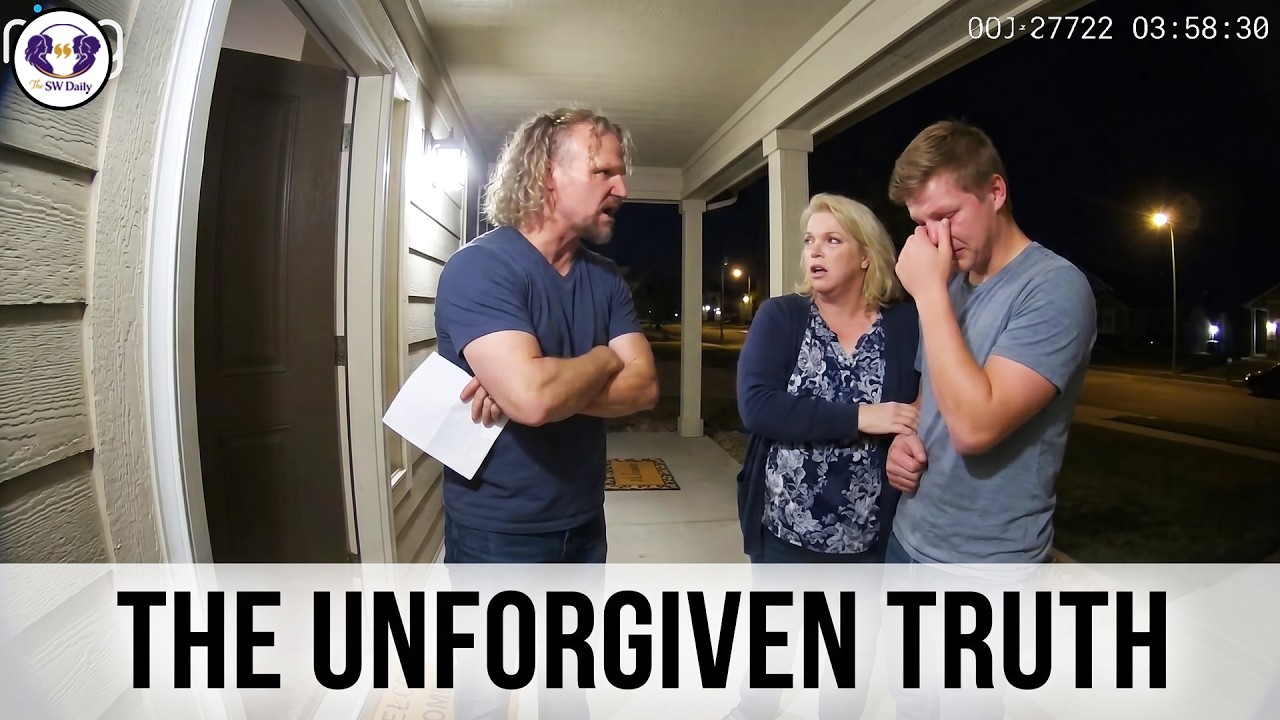
But for the children, those explanations didn’t change the reality of what they experienced. They didn’t see the internal reasoning behind the decisions—they only felt the consequences. They lived through the distance, the missed connections, and the realization that their place in their father’s life might not be as secure as they once believed.
Even after the world began to reopen, the effects of that period didn’t fade. Relationships that were strained became fractured, and in some cases, permanently broken. The emotional wounds left behind were not easily healed, because they weren’t just about temporary absence—they were about what that absence represented.
Kody, in later reflections, expressed genuine pain over the state of his family. There were moments of visible grief, confusion, and regret. But his perspective often framed the pandemic as an external force that caused the breakdown—a shared hardship that affected everyone equally.
His children, however, saw it differently.
To them, it wasn’t the pandemic itself that caused the damage. It was the choices made during that time. The decisions to prioritize some relationships over others, to enforce rules unevenly, and to maintain distance even when connection was possible—those were the moments that shaped their understanding of who their father was.
And perhaps the most striking irony of all is this: during a time when families everywhere were fighting to stay connected, the Browns experienced the opposite. While others found creative ways to maintain closeness despite physical barriers, Kody had the ability to bridge the gap—and chose not to.
That choice did not go unnoticed. It was recognized in real time, processed deeply, and carried forward long after the circumstances that justified it had passed.
Today, the consequences are still unfolding. Some relationships remain fractured, others distant, and some may never recover. The impact of those months continues to ripple through the family, shaping how each member understands their place within it.
But perhaps the most important part of this story is not what has already been shown, but what is still to come.
Because while much of this chapter has been documented, the full perspective—the unfiltered experiences of the children who lived through it—has yet to be completely told. As they continue to find their voices and share their truths, the narrative may shift even further, revealing layers of emotion and insight that were previously hidden.
And when that happens, the footage we’ve already seen will take on new meaning. Moments that once seemed like ordinary reality TV scenes will be understood in a completely different light—not as entertainment, but as lived experiences filled with complexity, pain, and lasting consequences.
The story of the Brown family during the pandemic is far from over. In many ways, it is only just beginning to be fully understood.