
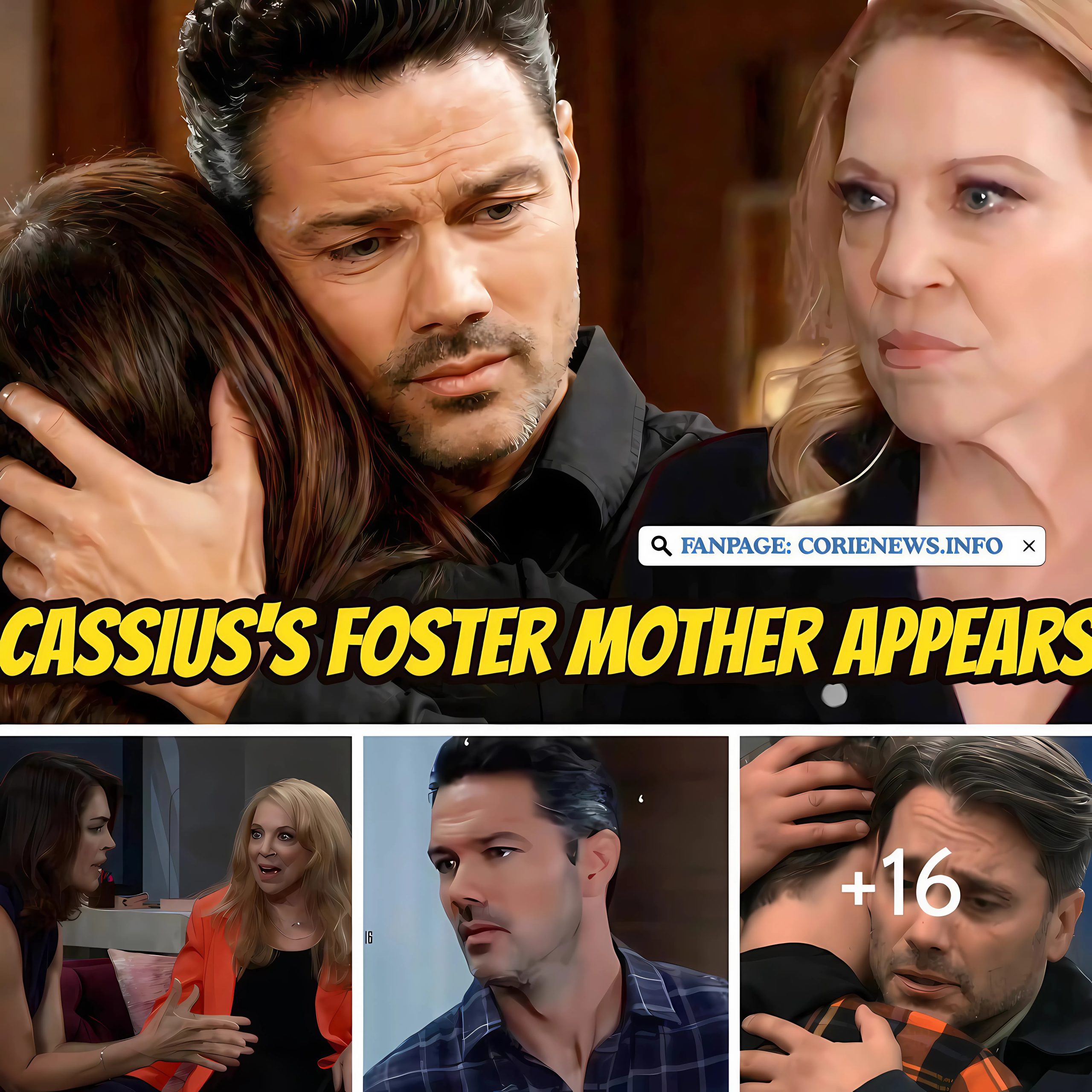
Cassius’s foster mother appears, Liesl recognizes her as an enemy – General Hospital Spoilers
Cassius’s Foster Mother Appears, Liesl Recognizes Her as an Enemy – General Hospital Spoilers
There are certain storylines in General Hospital that go beyond simple drama and instead tap into the long, emotional memory that viewers have built over decades. This new arc surrounding Cassius is exactly that kind of story. It doesn’t just introduce intrigue—it pulls from buried history, unresolved legacies, and psychological tension that feels both familiar and deeply unsettling. What’s unfolding now isn’t just another twist; it’s the slow unveiling of something that may have been hidden for years, possibly even deliberately concealed.
Cassius is no longer a vague or mysterious figure lingering in the background. He is stepping into the spotlight, and with that comes the shocking realization that his past is far more complex than anyone imagined. For those who remember the chaos and manipulation tied to Cesar Faison, this new development feels eerily consistent with that legacy. It’s as though the past never truly ended—it simply went underground, waiting for the right moment to resurface in a new and more controlled form.
The most chilling revelation is the emergence of the woman who raised Cassius. For years, the narrative centered on absence—questions about who wasn’t there, who disappeared, and who failed. Now, the focus has shifted dramatically to presence. Someone was there all along. Someone shaped Cassius, guided him, and possibly molded him with intention. That realization changes everything.
It raises a haunting question: was Cassius raised simply to survive, or was he raised with a purpose?
As his behavior becomes increasingly calculated, it’s hard not to suspect the latter. Unlike the erratic and explosive nature often associated with Faison, Cassius exhibits something far more dangerous—control. His darkness isn’t chaotic; it’s deliberate. And that kind of precision suggests long-term planning, not impulsive emotion. It’s the kind of threat that doesn’t announce itself loudly but instead unfolds step by step, with quiet confidence.
Then there’s Liesl, whose instincts have always been razor-sharp. When someone like her begins to feel uneasy, it’s not paranoia—it’s recognition. Liesl has faced countless dangerous figures over the years, and she knows the difference between ordinary trouble and something far more sinister. Her growing suspicion about Cassius and, more importantly, his foster mother signals that this is no ordinary situation.
When Liesl finally comes face-to-face with the woman, the shock is immediate—and deeply personal. She doesn’t just see a stranger; she recognizes an enemy. Someone from a past that was never fully resolved. Someone tied to secrets that were meant to stay buried. This moment shifts the storyline into even darker territory because it confirms that this isn’t just about Cassius—it’s about a much larger web of manipulation and history.
For Liesl, this loss of control may be the most terrifying aspect of all. She has spent much of her life trying to impose order on chaos, often unsuccessfully. But this situation feels different. This isn’t chaos—it’s design. And facing something so carefully orchestrated leaves her in unfamiliar territory.
The ripple effects are already spreading across Port Charles. Britt finds herself pulled into the storm, her connection to both Liesl and Faison placing her directly in harm’s way. This isn’t just emotional turmoil—it’s physical danger. And when a storyline begins to threaten multiple generations, the stakes rise significantly.
The involvement of young Rocco Falconeri makes everything even more unsettling. When a child becomes entangled in a narrative like this, it signals that the danger is no longer contained. It’s expanding, reaching into the heart of families and relationships that define Port Charles.
What’s particularly disturbing is how quickly Cassius seems to be descending into darker territory. But this doesn’t feel like a gradual fall from grace. It feels like a revelation—as if this side of him has always existed, hidden beneath the surface, waiting for the right moment to emerge. If that’s true, then what we’re witnessing isn’t a transformation—it’s an unveiling.
This kind of storytelling plays into one of General Hospital’s greatest strengths: generational consequences. The sins of the past don’t disappear; they echo through time, shaping new characters in unexpected ways. But Cassius feels different because his history was so effectively concealed. There was no buildup, no gradual introduction to prepare viewers. His presence is abrupt, almost jarring—and that may be exactly the point.
Port Charles has endured countless crises over the years—mob wars, betrayals, medical emergencies—but it’s often the unseen threats that cause the deepest damage. Cassius represents that kind of threat. Not because of what he’s done so far, but because of what he might do—and how little anyone truly understands him.
At the same time, there’s an added layer of complexity involving the possibility that Cassius’s foster mother has been orchestrating events behind the scenes. There are hints that her influence may extend even further than expected, possibly connecting to the mysterious return—or manipulation—of Nathan West’s legacy. If true, this takes the storyline into deeply emotional territory.
Because bringing Nathan into this narrative, whether literally or symbolically, isn’t just a plot device—it’s a message. It suggests intention. Control. A desire to reshape how the past is remembered.
For those who loved Nathan, the idea that his memory could be used as part of a larger scheme feels almost like a violation. He represented stability, kindness, and emotional grounding. To see that legacy potentially manipulated adds a layer of heartbreak that goes beyond typical soap opera drama.
This also reframes Cassius in a new light. Up until now, he has seemed like a looming threat—mysterious and potentially dangerous. But what if he’s also a product of manipulation? What if his actions aren’t entirely his own? 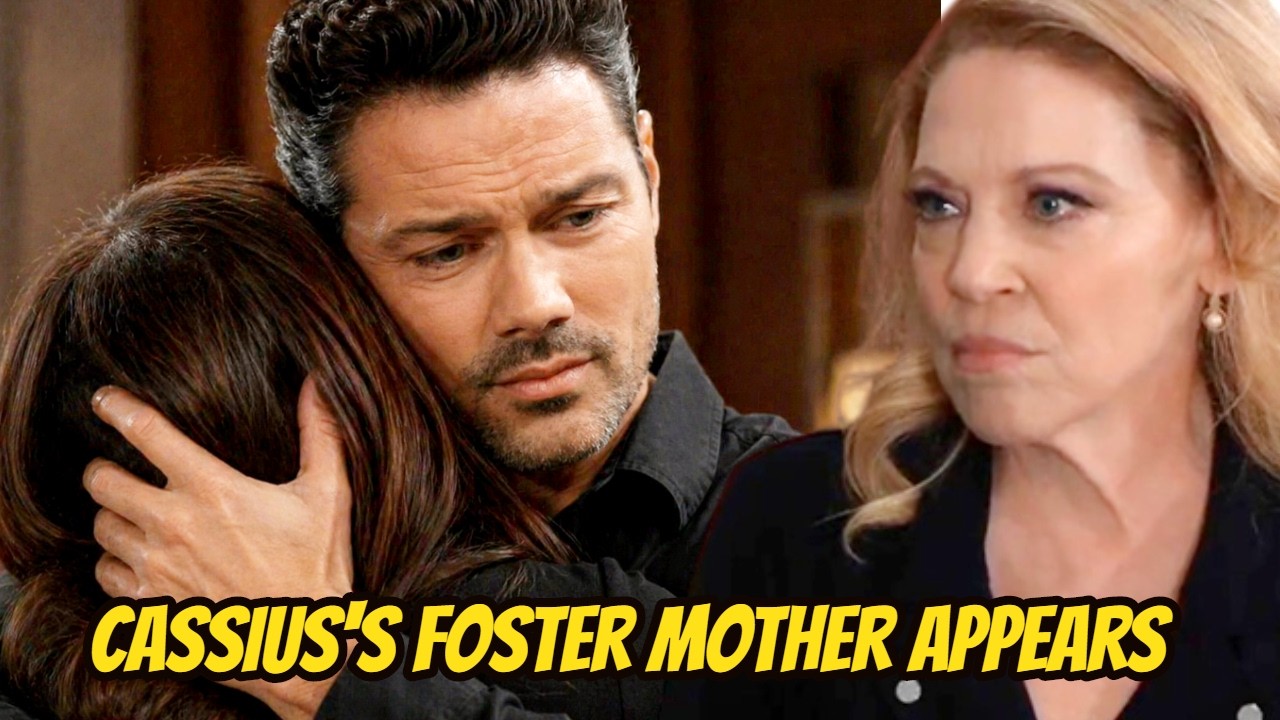
If his upbringing was guided by someone with a specific agenda, then Cassius may not be as independent as he appears. And that’s where the real danger lies—not just in what he might do, but in how little control he may actually have over his own path.
It raises important questions. Is Cassius aware of the forces shaping his life? Is he beginning to realize that his choices may not truly be his own? Or is he still moving forward under the illusion of control?
These psychological layers are where General Hospital thrives. Rather than relying on spectacle, the story leans into emotional and mental complexity, forcing viewers to question motivations, loyalties, and the nature of identity itself.
There’s also a broader emotional impact to consider. If Nathan’s memory is being used as part of this unfolding plan, it could reopen wounds for those who loved him. It could disrupt their sense of closure and force them to confront grief all over again.
What makes this storyline particularly compelling is its pacing. The revelations aren’t rushed. Each new piece of information doesn’t resolve the mystery—it deepens it. The tension builds slowly, creating a sense of unease that lingers long after each episode ends.
At the same time, there’s a delicate balance at play. Introducing a character with such a dense and retroactive history comes with risks. The story must remain grounded in emotional truth, ensuring that the complexity enhances the narrative rather than overwhelming it.
So far, the show seems to be navigating that balance carefully.
There’s a haunting quality to this arc that captures what has kept audiences invested for so many years. It challenges assumptions, redefines familiar characters, and reminds viewers that the past is never truly gone.
In Port Charles, the past doesn’t just linger—it evolves. It reshapes itself. And when it returns, it rarely does so quietly.
Right now, everything points to an inevitable turning point. Cassius is no longer a minor figure in the background. He is becoming central to a story that could change everything.
And at the heart of it all is the question of legacy.
Faison’s influence has cast a long shadow over Port Charles for decades. But what’s happening now suggests that shadow is growing darker—and more personal. It’s no longer just about what he did in the past. It’s about what he set in motion and who has been carrying that forward in silence.
As Cassius’s foster mother steps fully into the light, and Liesl prepares to confront an enemy she thought was long gone, the stage is set for a confrontation that could unravel everything.
Whether this story leads to redemption, destruction, or something far more complicated remains to be seen.
But one thing is certain: the past has returned—and this time, it’s not letting go.