

Sister Wives BOMBSHELL: Mykelti Brown Calls Out Kody & Robyn in Explosive New Reveal
Sister Wives BOMBSHELL: Mykelti Brown Calls Out Kody & Robyn in Explosive New Reveal
What if everything you thought you knew about this famous plural family wasn’t the full truth? In a stunning and deeply personal revelation, one insider is finally stepping forward to challenge the narrative that millions of viewers accepted for years. This isn’t speculation or outside criticism—this is coming from someone who lived it, someone who grew up in front of the cameras and is now ready to expose how reality television reshaped her life in ways no one ever realized.
From the age of just 14, her world became public property. Every milestone, every mistake, every emotional moment was captured and broadcast to audiences who believed they were witnessing authenticity. But behind the scenes, a very different story was unfolding—one that was carefully edited, manipulated, and reconstructed to fit a narrative designed for maximum drama.
According to her, what aired on television was never a pure reflection of reality. Scenes that appeared spontaneous were often pieced together from separate moments. Conversations were trimmed, rearranged, or stripped of context entirely. Reactions were inserted into situations where they didn’t originally belong. The result? A version of events that felt real, but in truth, was meticulously crafted.
And the consequences of that manipulation were not temporary. They followed her for years.
One of the most defining moments of her public image came from a single episode—her wedding. Branded with the explosive label “Bridezilla,” the episode painted her as demanding, unreasonable, and obsessed with excess. Viewers quickly embraced the narrative, judging her based on what they saw. But what they didn’t see tells a completely different story.
Behind the scenes, she was doing everything she could to stay within budget. She monitored expenses daily, carefully tracking costs to avoid overspending. She even made her own decorations by hand—including the flowers—to cut down on expenses. Far from being extravagant, she was focused on practicality and responsibility.
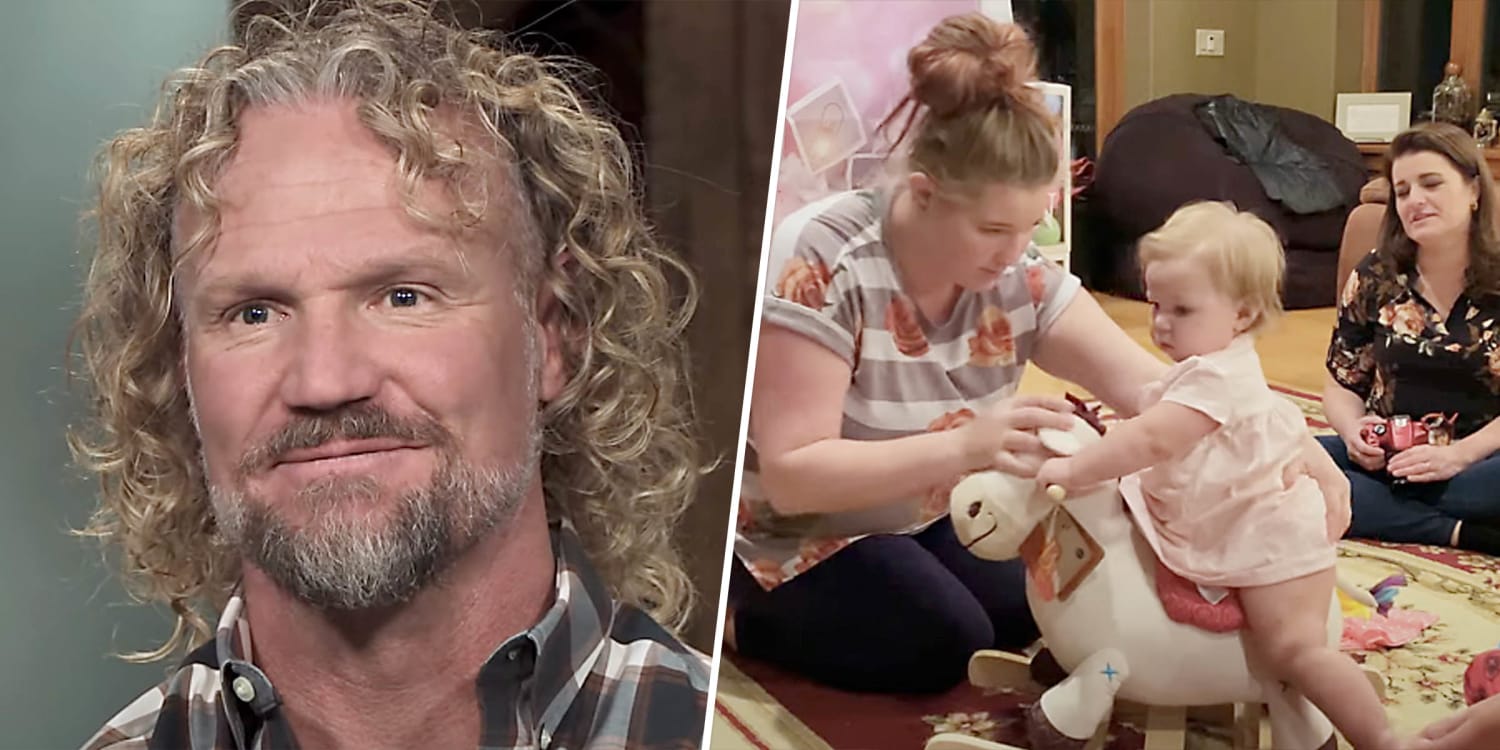
Then there was the infamous taco controversy.
On-screen, her request for a large number of street tacos was framed as excessive and unnecessary. It became one of the most mocked moments of the episode. But what viewers weren’t told is what happened afterward. The order was reduced—and during the reception, the food ran out entirely.
Guests were left without enough to eat.
And the bride herself? She managed to eat just one taco at her own wedding.
After the event, she and her husband had to go to a fast-food restaurant because they were still hungry. That single detail completely flips the narrative. What looked like unreasonable demands was actually foresight. She wasn’t asking for more out of greed—she was trying to prevent exactly what ended up happening.
But the audience never saw that outcome. The show chose to highlight the argument, not the resolution—because conflict drives engagement.
This pattern didn’t stop at her wedding. It extended into some of the most emotional moments in the family’s history.
One of the most powerful examples is the farewell gathering before a major family separation. On screen, it appeared to be a natural, heartfelt goodbye—a family coming together during a difficult transition. But in reality, that moment almost didn’t happen at all.
Behind the scenes, nearly everyone was reluctant to attend. The emotional tension was too high, the relationships too strained. It took persistent effort—calls, persuasion, and emotional labor—to bring people into the same room. She became the bridge between fractured relationships, stepping into a role far beyond what anyone expected of her.
She wasn’t trying to fix the adults’ conflicts. She knew some relationships were beyond repair. Instead, her focus was on something quieter but more meaningful: preserving the bonds between the siblings.
She understood that once the family physically separated, those connections could fade. And unlike the adults, the children hadn’t chosen any of this. So she fought to create one final moment of unity—not for the show, but for the future of those relationships.
What makes this even more heartbreaking is what viewers didn’t see.
She had planned a deeply personal tradition for that gathering—something meaningful that could bring closure. Because the family couldn’t sing traditional birthday songs on camera, they had created a custom ritual: each person would offer a heartfelt toast instead. It was one of the few genuine traditions untouched by production.
For the farewell, she wanted to adapt that ritual. She carefully prepared by selecting each person’s favorite drink, hoping to create a moment of reflection and honesty.
But production made a decision: they chose not to film it.
The one moment built on authenticity and emotional depth was completely excluded. Instead, viewers were shown tension, awkwardness, and conflict—because that’s what fit the narrative.
Even more tragically, the moment never fully happened. By the time everything was set, the emotional weight in the room had become overwhelming. The environment itself—filled with unresolved pain and history—made it impossible to bring that vision to life.
That unfinished toast became symbolic. It represented everything left unsaid, everything that could have brought understanding but never had the chance.
And in hindsight, that gathering carried even more weight than anyone realized.
It turned out to be one of the last times the entire family would be together in the same space. After the separation, relationships began to shift—not through dramatic confrontations, but through quiet distance. 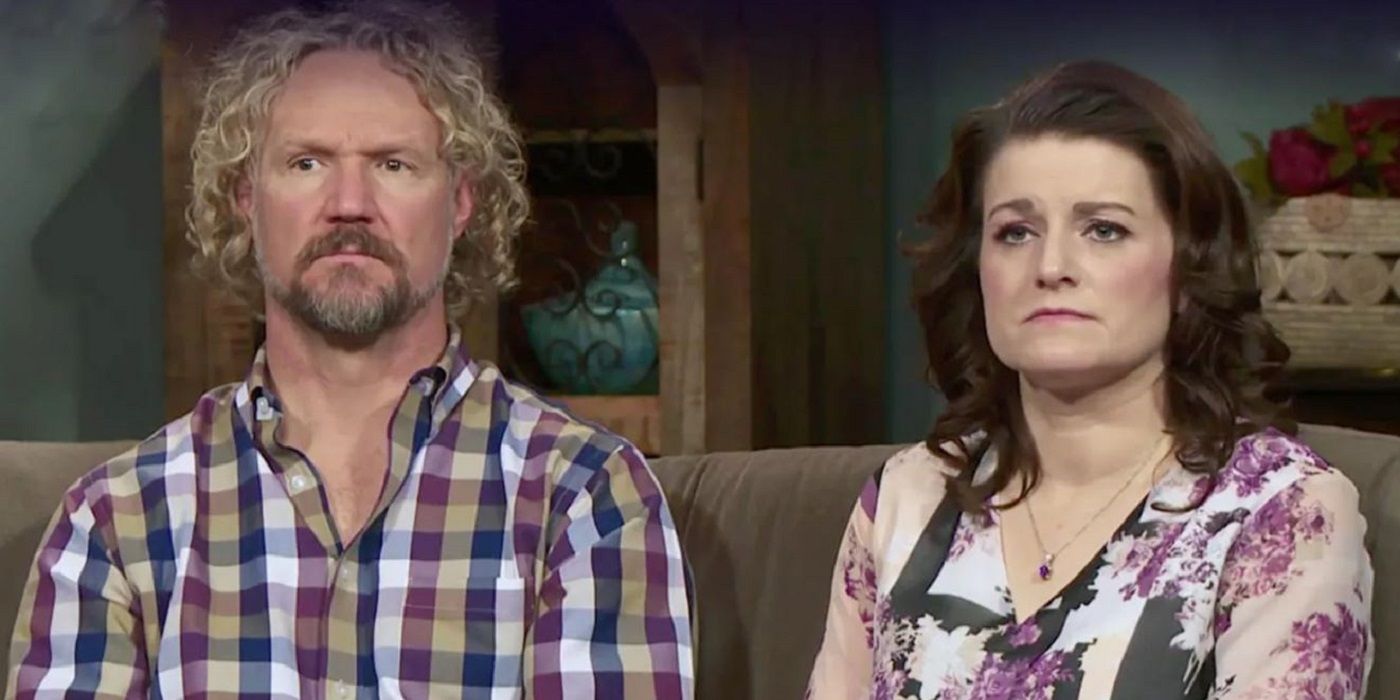
Connections faded.
Communication slowed.
And eventually, some relationships disappeared altogether.
One of the most painful examples came later, during a family tragedy. Not all siblings were present at the funeral. For a family that once shared homes, holidays, and daily life, that absence spoke volumes.
What once felt like a temporary separation became something far more permanent.
The most difficult part is that there was no clear breaking point. No explosive argument. No definitive ending. Instead, relationships dissolved gradually—through silence, distance, and lack of connection.
And that kind of ending is often the hardest to process.
Now, as these revelations come to light, they force a difficult question: how much of what viewers believed was real was actually constructed?
Because once you understand how editing can reshape reality, everything changes. Conversations are no longer just conversations—they’re carefully selected clips. Reactions are no longer purely spontaneous—they’re shaped by what’s included and what’s left out.
The line between reality and storytelling becomes blurred.
For years, audiences formed opinions based on what they thought was truth. Labels stuck. Judgments hardened. And those perceptions didn’t fade when the cameras stopped rolling—they followed real people into their everyday lives.
That is the true cost of narrative control.
Now, she’s reclaiming her story. Not just by sharing behind-the-scenes details, but by challenging the version of events that defined her for years. She’s exposing the gaps, the omissions, and the emotional distortions that shaped public perception.
And in doing so, she’s reminding everyone of one crucial truth:
What you saw was never the full story.
It was only ever a version of it.