
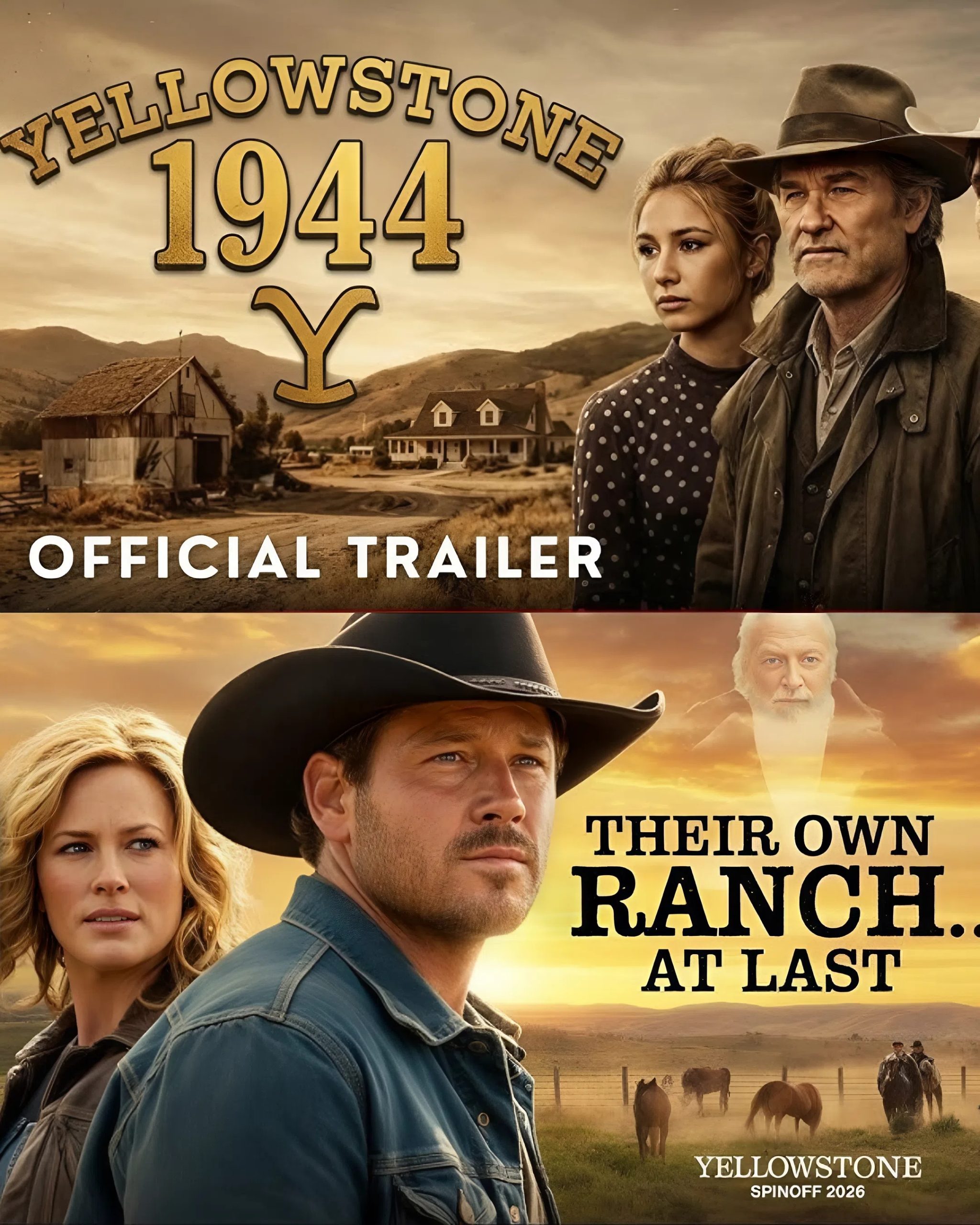
The Dutton Ranch (2026) — Yellowstone may have ended, but the Dutton legacy is far from over.** As the empire crumbles, Beth and Rip rise from the ashes, determined to reclaim their place.
The Dutton Ranch (2026) is shaping up to be the most anticipated continuation of the Yellowstone universe. With fan-favorite characters stepping into the spotlight and a darker, more grounded storyline, the series promises to expand the modern Western saga in bold new ways.
Below is everything we know so far — including cast details, plot direction, themes, and what it means for the future of the franchise.
What Is The Dutton Ranch (2026) About?
Set after the collapse of the Yellowstone empire, The Dutton Ranch follows Beth Dutton and Rip Wheeler as they attempt to build and defend their own ranch without the political shield of John Dutton.
Unlike previous seasons that revolved around large-scale corporate land wars, this chapter narrows the focus:

- Local political corruption
- Criminal pressure in rural Montana
- Generational resentment
- The struggle to preserve land in a modern economy
This isn’t a reboot. It’s a direct continuation rooted in consequence, survival, and legacy.
Confirmed Cast (So Far)
Kelly Reilly as Beth Dutton
Beth remains one of television’s most complex antiheroes. In this chapter, she’s still ruthless and strategic — but more emotionally exposed. Without her father’s shadow, her decisions carry deeper personal stakes.
Cole Hauser as Rip Wheeler
Rip evolves from enforcer to leader. Loyalty has always defined him, but now he must make the calls — and live with the consequences.
Additional Cast
- Finn Little
- Annette Bening
More casting announcements are expected as production details become clearer.

Who Created The Dutton Ranch?
The project is tied creatively to Taylor Sheridan, the architect behind the modern Western revival on television.
Sheridan’s signature elements are expected to return:
- Slow-burn storytelling
- Morally gray characters
- Brutal realism
- Emphasis on land ownership and identity
His ability to blend personal drama with political tension is a defining force behind the franchise’s success.
How It Connects to Yellowstone
While this series shifts focus, it remains deeply connected to the events of the original Yellowstone saga.
Instead of escalating into bigger corporate conflicts, The Dutton Ranch explores what happens after the empire falls:
- What does legacy mean without power?
- Can loyalty survive without a patriarch?
- Is rebuilding harder than defending?
The series is less about expansion — and more about reckoning.
Themes to Expect in 2026
1. Land as Identity
The ranch is not just property. It represents survival, pride, and defiance in a rapidly modernizing West.
2. Power Without Protection
Beth and Rip must operate without political immunity. Every decision carries real risk.
3. Marriage Under Pressure
For the first time, Beth and Rip are partners building something from scratch — not simply defending inherited territory.
4. The Changing American West
The show continues exploring how tradition collides with development, urban influence, and generational shifts.
Why Fans Are Already Anticipating It
Search interest around “Beth and Rip spin-off,” “Yellowstone continuation 2026,” and “Dutton Ranch series” continues to rise.
Reasons include:
- Beth Dutton remains one of TV’s most discussed characters.
- Rip Wheeler consistently ranks among fan-favorite Western antiheroes.
- The Yellowstone universe has a proven global audience.
The emotional investment didn’t end with Yellowstone — it evolved.
Potential Release Window
While official premiere dates remain unconfirmed, industry expectations point toward a 2026 release window. Production timelines and casting updates will determine exact scheduling.
Fans should expect marketing teasers and first-look footage to surface as filming progresses.
Final Thoughts: A Western Built on Consequence
If Yellowstone was about defending power, The Dutton Ranch (2026) appears to be about earning it.
Beth is still dangerous.
Rip is still loyal.
But the stakes are no longer abstract.
They’re personal.
And in the modern American West, personal wars are the most brutal kind.