
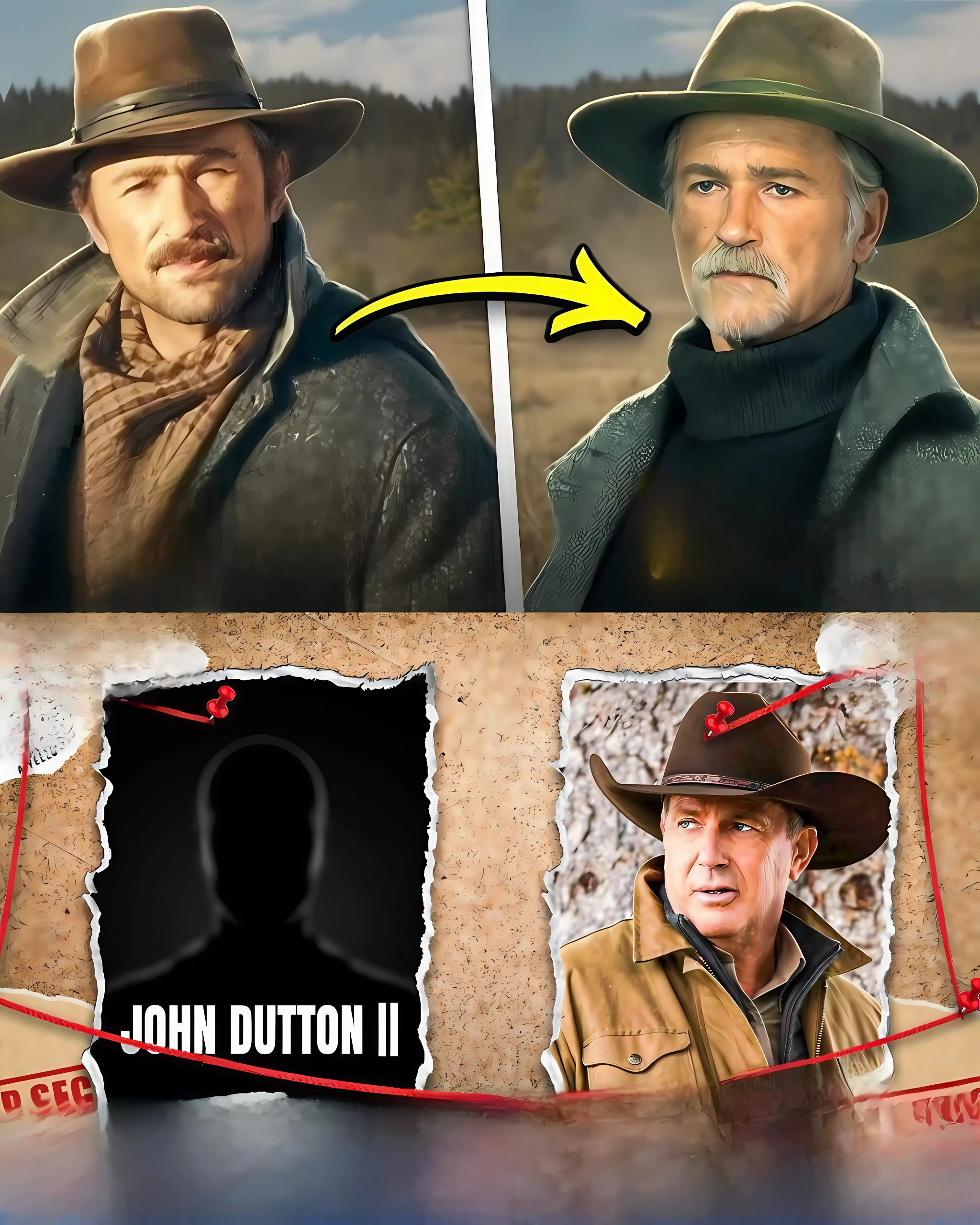
The Secret Birth of John Dutton II: Why 1944 is the Final Piece of the Puzzle
T
he Secret Birth of John Dutton II: Why 1944 Could Be the Missing Chapter of the Yellowstone Legacy
For years, Yellowstone fans have been asking one question that sat quietly beneath every Dutton family tragedy: who truly connects Spencer Dutton’s bloodline to John Dutton III?
The finale of 1923 may have finally given us the answer.
The premature baby Alexandra delivers in a Bozeman hospital — the child she names John before her own heartbreaking end — appears to be John Dutton II, the father of Kevin Costner’s John Dutton III. That single reveal changes the entire shape of the franchise. It means the upcoming 1944 story is not just another historical spinoff. It is the bridge between Spencer and Alexandra’s tragic love story and the modern Dutton war for the Yellowstone Ranch.
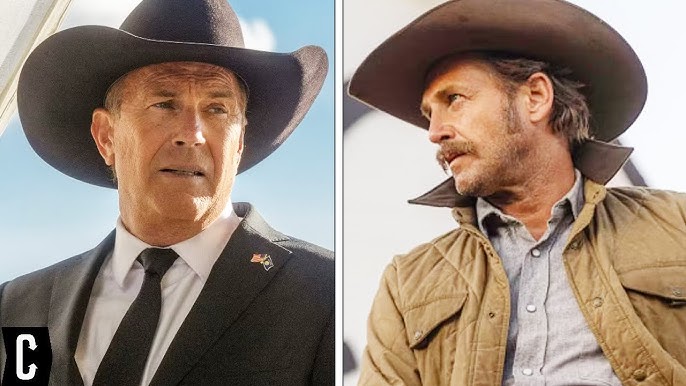
To understand why that matters, we have to return to the wreckage left behind at the end of 1923. By the finale, the Dutton family has survived drought, violence, corruption, prohibition, locusts, and the ruthless campaign of Donald Whitfield. The ranch is wounded. The family line is fragile. Then Jack Dutton, the young man many viewers assumed would carry the legacy forward, is killed.
His death breaks the obvious succession path.
But on that same devastating day, another piece of the family tree arrives.
Alexandra, carrying Spencer Dutton’s child, gives birth three months early after enduring a brutal journey back to Montana. She names the baby John. Then, with her body failing, she chooses death on her own terms. Spencer loses the woman he crossed oceans for, but he gains the son who will carry their story into the next generation.
That is why John Dutton II matters so much.
He is born from grief. He is raised by a father who never fully heals. And when 1944 begins, he would be around twenty years old — old enough to understand the ranch, old enough to carry responsibility, and old enough to be pulled into the global conflict of World War II.

That is where the new story becomes fascinating.
Between the end of 1923 and the birth of John Dutton III in 1959, there is a massive silence in the Dutton timeline. More than three decades of family history remain largely unexplored. That is not a small gap. It is an entire era filled with economic collapse, drought, war, labor shortages, federal pressure, and massive changes in American ranching.
Every Dutton generation has faced a different kind of enemy. James Dutton faced the frontier. Jacob and Cara faced land barons, drought, and corruption. John Dutton III faced developers, politics, and a changing West.
But the Duttons of 1944 may face something more complicated: systems.
Government price controls. Wartime regulations. Labor shortages. Meat rationing. Young men drafted away from ranches just when the land needs them most. The enemy may not arrive on horseback or with a gun. It may arrive through paperwork, policy, and patriotic obligation.
That is a very different kind of war.
In Montana during the 1930s and 1940s, ranching families were already carrying the scars of the Great Depression and the Dust Bowl. Landowners who survived became harder, larger, and more protective of what remained. Then World War II demanded more food, more beef, and more sacrifice, while taking away the very workers ranches depended on.
Women stepped into roles traditionally held by men. Older ranchers kept operations alive with fewer hands. Families were asked to produce more while the government told them what their cattle were worth. For a family like the Duttons, built on land, control, and refusal to bend, that kind of outside authority would feel like an invasion.
Then there is John Dutton II himself.
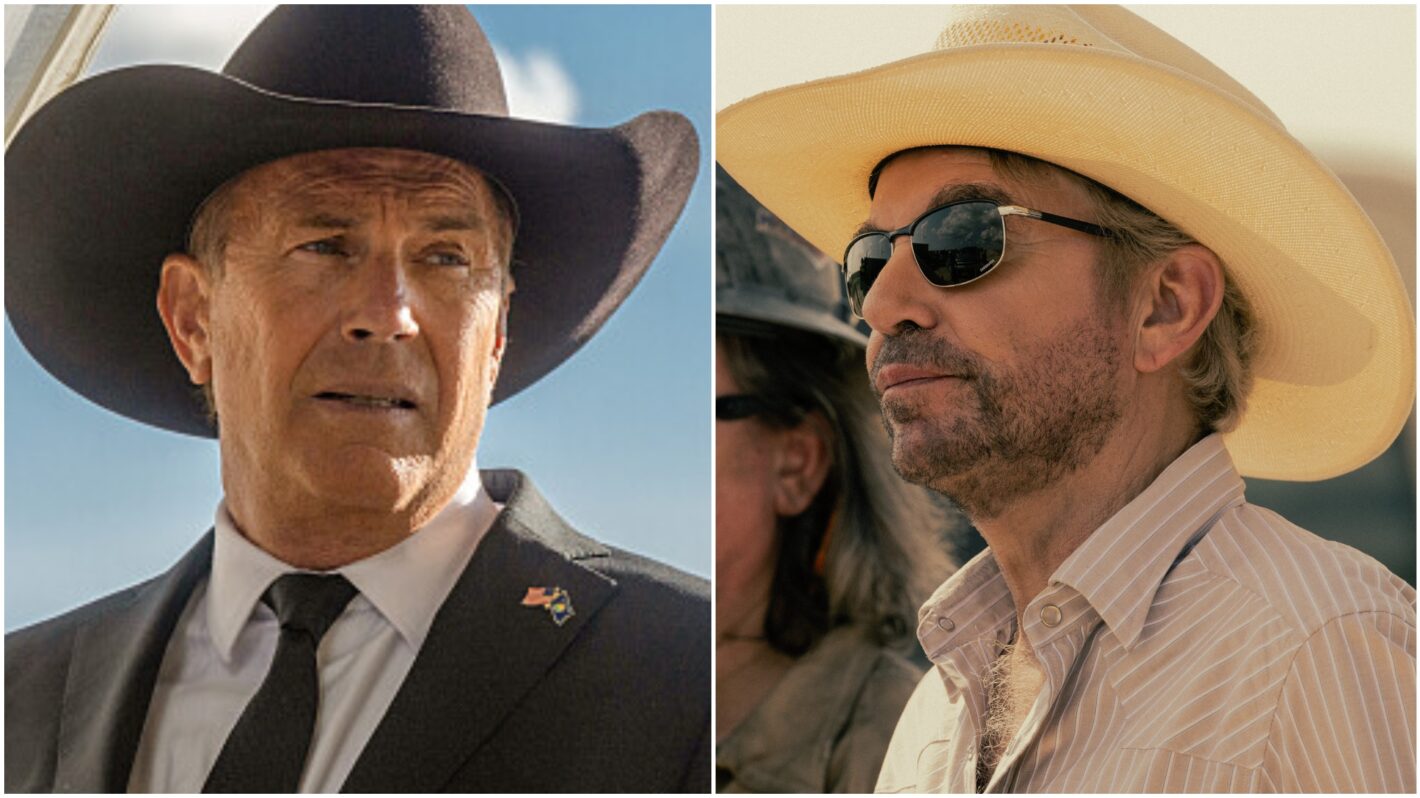
If he is twenty years old in 1944, he is of draft age. That creates the kind of impossible choice Taylor Sheridan often builds his best stories around: does John serve his country and leave Spencer alone to protect the ranch, or does he stay in Montana and carry the guilt of that decision forever?
Either path would mark him.
And either path could help explain the kind of family John Dutton III eventually inherits.
That is what makes 1944 so important. It is not simply filling a timeline gap. It is showing the moment the Dutton legacy transforms. The ranch stops being only a frontier inheritance and becomes a modern fortress — a business, a battlefield, and a burden passed from one wounded generation to the next.
Spencer Dutton would be in his mid-fifties by then, still shaped by Africa, war, and Alexandra’s loss. John Dutton II would be stepping into manhood under the shadow of a father who loved once and never remarried. Together, they would be responsible for holding a ranch that had already survived more than most families could endure.
And somewhere in that pressure, the emotional DNA of modern Yellowstone would be formed.
The anger. The silence. The loyalty. The fear of losing land. The belief that the ranch must survive even when people do not.
That is why 1944 may be the most important prequel in the entire franchise. 1883 showed where the Duttons began. 1923 showed what nearly broke them. 1944 could show how they became the kind of family capable of producing John Dutton III.
The baby born in Alexandra’s final hours was not just a tragic ending.
He was the missing link.
And if 1944 tells his story correctly, it may finally reveal how grief became inheritance — and how one premature child became the final piece of the Dutton puzzle.