
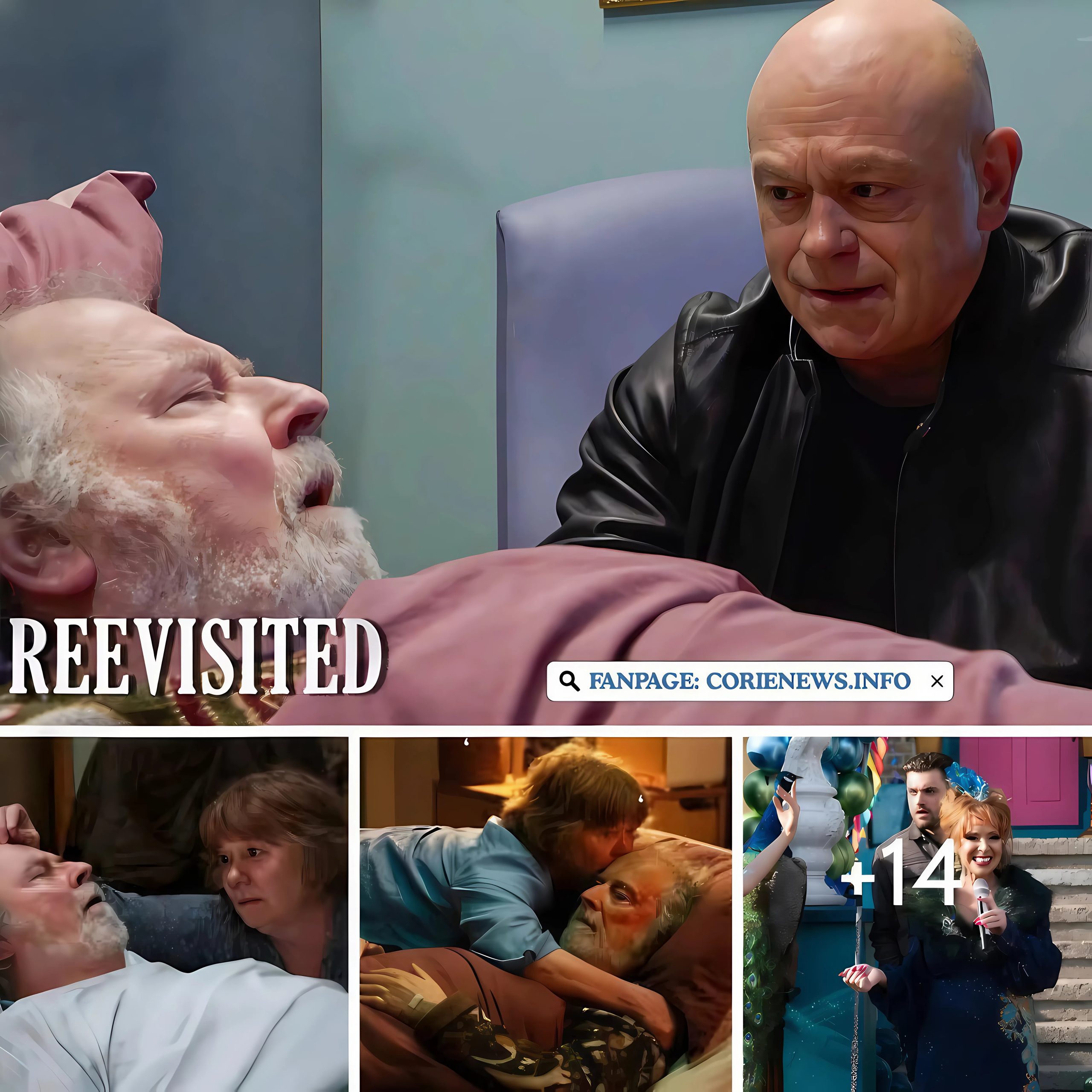
Are They Ready To Say Goodbye? | Walford REEvisited | EastEnders
Are They Ready To Say Goodbye? | Walford REEvisited | EastEnders
The atmosphere in the hospital room feels heavier than anyone is willing to admit. Machines hum quietly, filling the silence that none of them can bring themselves to break for long. The question lingers in the air—has there been any change? But the answer comes back the same as it has since yesterday: no. There’s been no movement, no sign of waking, no indication that Nigel is coming back to them.
Even the doctors have stopped offering reassurance. They speak in careful, measured tones—there’s no strict rulebook for these situations, they say, but realistically, they don’t expect him to regain consciousness. It’s the kind of answer that sounds gentle on the surface but lands like a hammer. Still, hope refuses to disappear entirely. It lingers stubbornly, fragile but present, clinging to the smallest possibility.
The people gathered around Nigel each process it differently. Some try to stay practical, focusing on what comes next, even discussing something as surreal as what to wear—as if preparing for the inevitable might somehow make it easier to bear. Others are still caught between denial and grief, unable to fully accept what’s happening right in front of them.
There’s also the matter of who should be there. Claire has been contacted, but no one knows if she’ll return. Josh is unreachable, away on business overseas, and the distance feels symbolic—another piece of Nigel’s world slipping out of reach at the worst possible time. The sense of isolation grows, even in a room filled with people.
Exhaustion is etched into every face. Someone gently suggests stepping outside for air, but the idea of leaving Nigel, even for a moment, feels impossible. There’s a stubborn belief that he might somehow know, might somehow feel abandoned if they step away. And so they stay, anchored to his side, waiting for something—anything—to change.
Amid the quiet tension, conversations turn more personal, more revealing. Old dynamics resurface, particularly when Nigel’s past words come into play. It’s revealed that he mentioned someone’s name—something that stirs suspicion and defensiveness. Was it meaningful, or just another example of Nigel’s tendency to stir trouble? No one can agree, and the uncertainty only adds to the emotional strain.
But beneath the arguments and the frustration lies something deeper: guilt. Guilt over what was said, what wasn’t said, what should have been done differently. Accusations are thrown, particularly toward those who may not have done enough for Nigel when it mattered. Friendships are questioned, loyalties tested, and long-held resentments bubble dangerously close to the surface.
Then comes the devastating turning point. The decision has been made—Nigel’s treatment is being stopped.
The words hit like a shockwave. For some, it feels like a betrayal; for others, an unavoidable reality. But no matter how they try to justify it, the finality of the decision is undeniable. Time is running out, and everyone knows it.
In the midst of this emotional storm, Nigel briefly stirs—but not in the way anyone hoped. His mind drifts somewhere between memory and confusion. He becomes fixated on something seemingly small: a stone. Not just any stone, but one with meaning—a smooth, flat skimming stone from the past. It represents something deeply personal, a memory tied to happier times, perhaps even a symbol of connection.
His agitation grows as he insists on having it. The urgency in his voice cuts through the room, turning panic into action. Nurses are called, voices are raised, and for a fleeting moment, it feels like he’s fighting to hold onto something—anything—that anchors him to who he used to be.
The search for the stone becomes more than just a task; it becomes symbolic. Some believe any stone will do—that Nigel won’t notice the difference. Others argue fiercely that it matters, that even now, in this fragile state, the authenticity of that memory is important. It’s not just about the object—it’s about respect, about understanding what Nigel needs in this final chapter of his life.
But time is slipping away, and patience is wearing thin. The tension between practicality and sentimentality reaches a breaking point. One side insists that being present for Nigel is what truly matters, while the other believes that honoring his final wishes—no matter how small—is just as crucial.
Amid all this, another shocking realization unfolds: someone is missing.
At first, it’s brushed off. Maybe he stepped out, maybe he needed a moment. But as minutes turn into concern, it becomes clear that this is something more serious. He’s gone. Not at the gym, not at work—just gone.
Panic begins to spread. The memory of a similar incident in the past resurfaces, adding urgency to the search. This isn’t just someone stepping away to clear their head—this could be something far more troubling.
Then comes a breakthrough. Someone thinks they know where he might be.
Meanwhile, another emotional thread reaches its breaking point. Julie, who had earlier left in a rush, is contacted. Her voice carries a mix of regret and vulnerability. She admits she thought she could handle it, thought she could face everything alone—but she can’t. The weight of what’s happening is too much.
She’s told to come back.
Because the truth is becoming impossible to ignore: Nigel is dying. 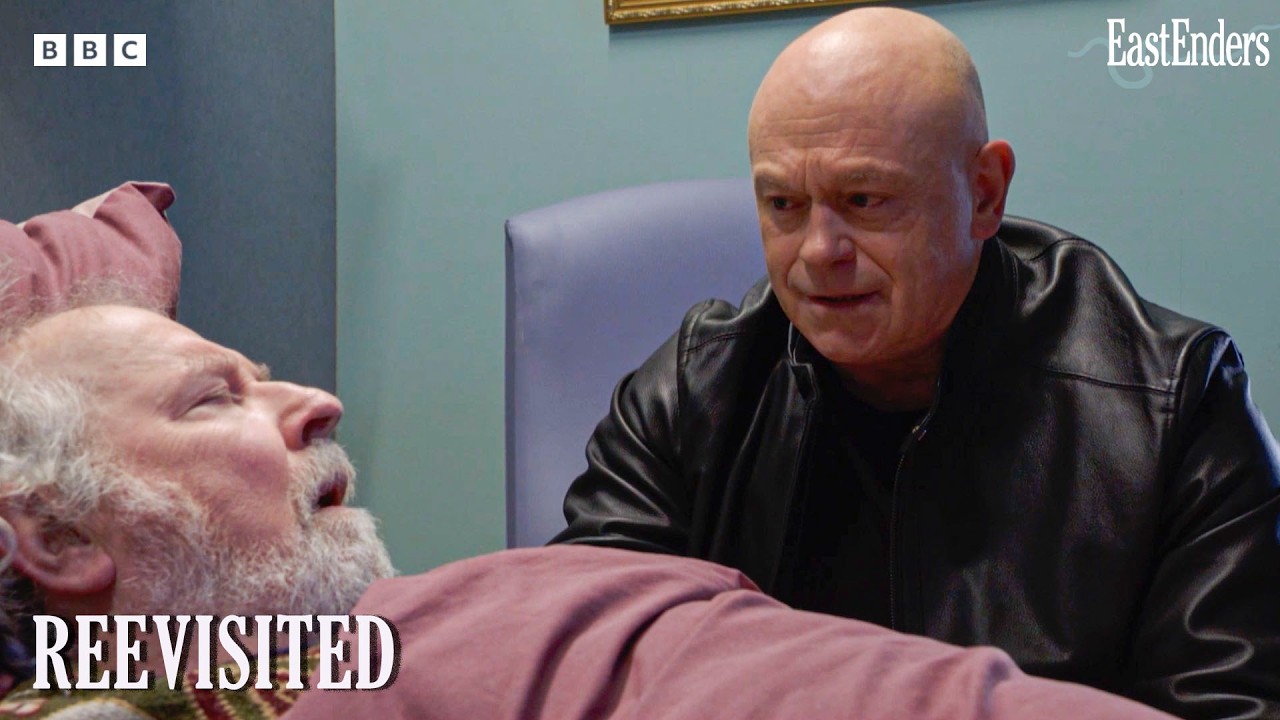
The realization settles over everyone like a shadow. There’s no more pretending, no more clinging to false hope. They thought they had more time—more moments to say what needed to be said, to make peace, to prepare. But time has run out faster than anyone expected.
As emotions reach their peak, the focus shifts from conflict to connection. The arguments, the accusations—they all begin to feel insignificant in the face of what’s coming. What matters now is being there, together, for Nigel.
The question that lingers is no longer about whether he will wake up.
It’s about whether they are ready to say goodbye.
And the answer, painfully, is no.
No one is ever truly ready for a moment like this. No amount of preparation can soften the blow of losing someone who has been such a central part of their lives. The past floods back—memories of laughter, arguments, shared moments that now feel more precious than ever.
Even Nigel’s fixation on the stone takes on new meaning. It’s not just an object—it’s a reminder of who he was, of the life he lived, of the connections that defined him. In his final moments, it’s those fragments of memory that he clings to.
As the group slowly comes to terms with what’s happening, their priorities shift. It’s no longer about being right or wrong, about who did what or who said what. It’s about forgiveness, about understanding, about making sure that Nigel doesn’t face this alone.
The tension gives way to quiet sorrow, the kind that doesn’t need words.
Somewhere, someone is still searching—for answers, for closure, for the missing piece that might make sense of it all. But in the hospital room, the reality is clear. The end is near, and all they can do now is be present.
The final moments are not marked by dramatic gestures or grand declarations. Instead, they are defined by something far more powerful: presence. The simple act of being there, of holding onto Nigel in whatever way they can, becomes the most meaningful thing of all.
And as the weight of goodbye settles in, one truth becomes undeniable:
No matter how complicated their relationships have been, no matter how much pain or conflict lies in their past, love remains.
Even in the face of loss, it endures.
But the question still lingers, echoing in the silence of the room:
Are they ready to let him go?
The answer, heartbreakingly, is something they may never truly have.