
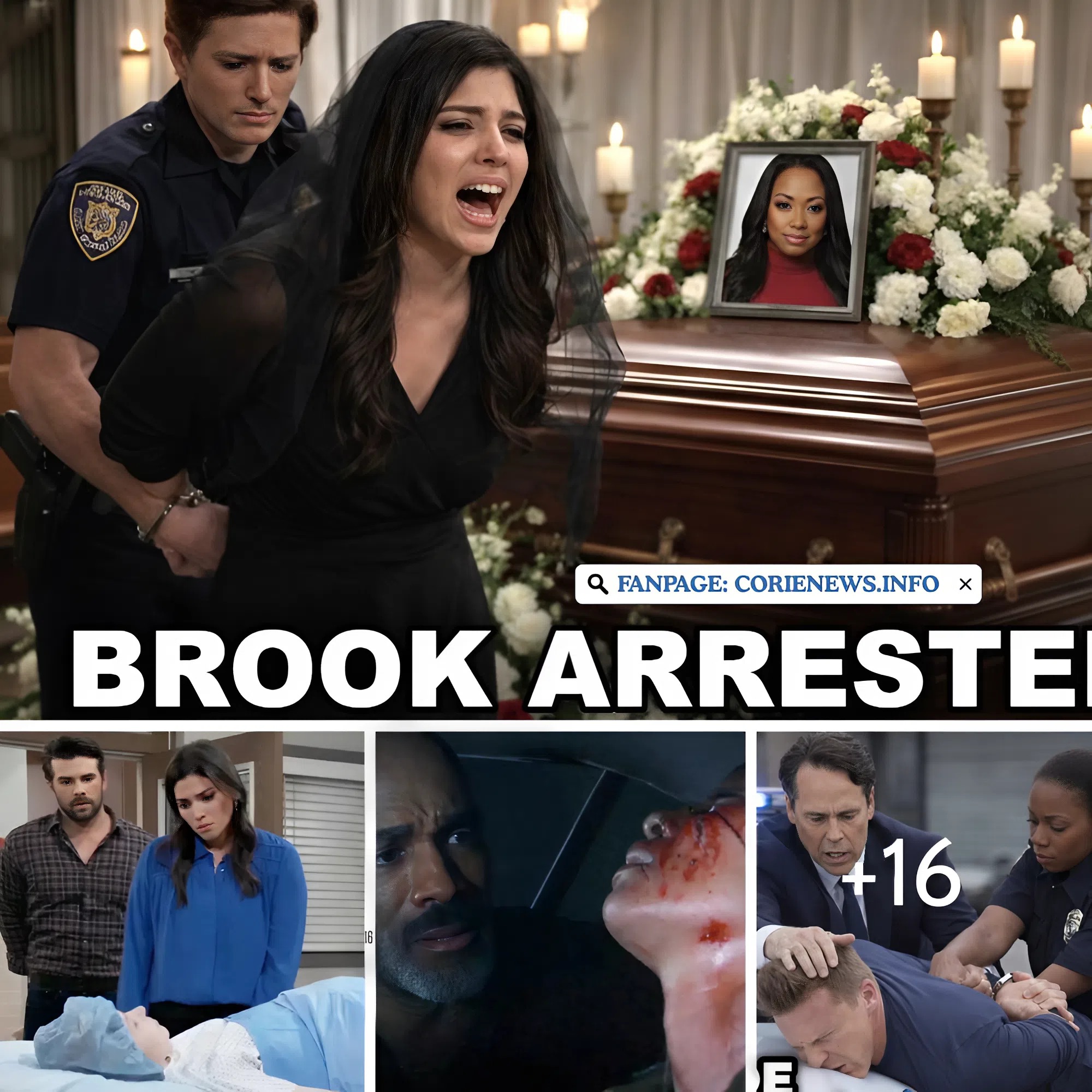
Sad News – Brook was arrested by the police following Jordan’s tragic death ABC General Hospital
Sad News – Brook Was Arrested by the Police Following Jordan’s Tragic Death | ABC General Hospital
Today feels like the perfect moment to dive headfirst into the chaos, heartbreak, and frustration currently unfolding in Port Charles. This storyline is layered with drama, questionable decisions, and emotional consequences that ripple across nearly every character involved. And at the center of it all is Brook Lynn Quartermaine—now facing arrest in the aftermath of a devastating accident that has left Jordan Ashford dead and an entire community searching for answers.
Let’s start with what makes this situation so difficult to accept. The narrative seems to be steering heavily toward placing the blame squarely on Brook Lynn’s shoulders. According to how events are being framed, she had a drink or two, got behind the wheel, and somehow triggered a catastrophic chain-reaction crash. But when you really step back and examine everything that happened that night, the conclusion feels rushed, oversimplified, and frankly unfair.
Brook Lynn’s actions, while not flawless, don’t quite match the severity of the accusations being thrown at her. She had been trying to make it to a performance at Charlie’s Pub, wanting to show support for Gio Palmieri during an important moment. She was late, stressed, and yes, she had consumed alcohol—but the leap from that to causing a deadly, multi-car accident feels exaggerated. The implication that she was so impaired that she lost control, caused chaos, and then knowingly fled the scene paints her in a way that contradicts the growth viewers have seen in her over time.
And that growth matters. Brook Lynn is no longer the impulsive, self-centered person she once was. She has evolved into someone deeply committed to her relationships, especially her marriage to Harrison Chase and their hopes of building a family together. She has demonstrated compassion, loyalty, and sacrifice—particularly during the complicated situation involving Bailey Louise. To suddenly reduce her to a reckless criminal feels like a regression designed purely for shock value.
But what truly complicates this storyline is the behavior of others involved in the crash—especially Jordan and Curtis. Moments before the accident, they were clearly distracted, caught up in an intimate moment while Jordan was driving. Taking one’s attention off the road under those circumstances is undeniably dangerous. It introduces a significant factor that could have contributed directly to the crash. Yet, strangely, this element is being largely ignored in favor of focusing on Brook Lynn.
That imbalance raises serious questions. Why is distracted driving being minimized while Brook Lynn’s actions are magnified? Why is one character’s mistake treated as tragic circumstance, while another’s is framed as criminal negligence?
Then there are the teenagers—Danny Morgan and Charlotte Cassadine—whose own reckless joyride adds another layer to the chaos. Their involvement could easily have played a role in the accident. But because they are young and impulsive, the narrative seems to soften their responsibility. Their actions are explained away rather than scrutinized.
Adding to the complexity is Carly’s role in the aftermath. In an effort to protect Danny and Charlotte, she steps in quickly, arranging for the damaged vehicle to be repaired and effectively covering up potential evidence. This deliberate interference could have serious legal implications, yet it’s framed as an act of protection rather than obstruction. The contrast is striking: Carly manipulates the situation behind the scenes, while Brook Lynn spirals under guilt and suspicion.
Meanwhile, the emotional stakes couldn’t be higher. Jordan’s death transforms the accident from a tragic incident into a full-blown crisis. Curtis is left devastated, grappling with loss and shock. Friends and family are thrown into turmoil as they try to process what happened. At the hospital, the urgency and desperation of the situation highlight just how severe the consequences have become.
And as the investigation begins to take shape, it becomes clear that someone will be held accountable. Unfortunately, all signs point to Brook Lynn being that person.
Her arrest feels almost inevitable under the current narrative. The evidence—however circumstantial—seems to align against her. The timeline, the wine glass left behind, her anxious behavior afterward—all of it creates a picture that law enforcement is ready to act on. Dante Falconeri and Harrison Chase, both committed to their duties, will be forced to follow the facts wherever they lead, even if it means turning against someone they care about.
For Chase, in particular, this situation is heartbreaking. As both a detective and Brook Lynn’s husband, he is caught in an impossible position. His loyalty to the law clashes with his love for his wife, setting the stage for emotional conflict that could tear their marriage apart.
And then there’s the devastating impact on their future as foster parents. Brook Lynn and Chase had been working tirelessly to prove they could provide a stable home for baby Phoebe. Their application was already under scrutiny, and now, with Brook Lynn facing criminal charges, everything they’ve worked for is at risk. The possibility of losing Phoebe adds another layer of tragedy to an already overwhelming situation.
Psychologically, Brook Lynn is in a fragile state. She is someone who deeply values her relationships but has long struggled with self-doubt. Faced with the possibility that she may have caused a fatal accident, her guilt begins to consume her. Even if she isn’t entirely responsible, she may feel compelled to confess—believing that she deserves punishment.
This internal conflict is what makes her storyline so compelling, yet so frustrating. The punishment she faces seems disproportionate to her actions, especially when compared to others who played a role in the events of that night.
As the investigation continues, there is still a chance that the truth will come to light. If Carly’s cover-up is exposed, or if evidence surfaces regarding the teens’ involvement, it could introduce doubt into the case against Brook Lynn. It might not completely absolve her, but it could shift the narrative enough to prevent a full conviction. 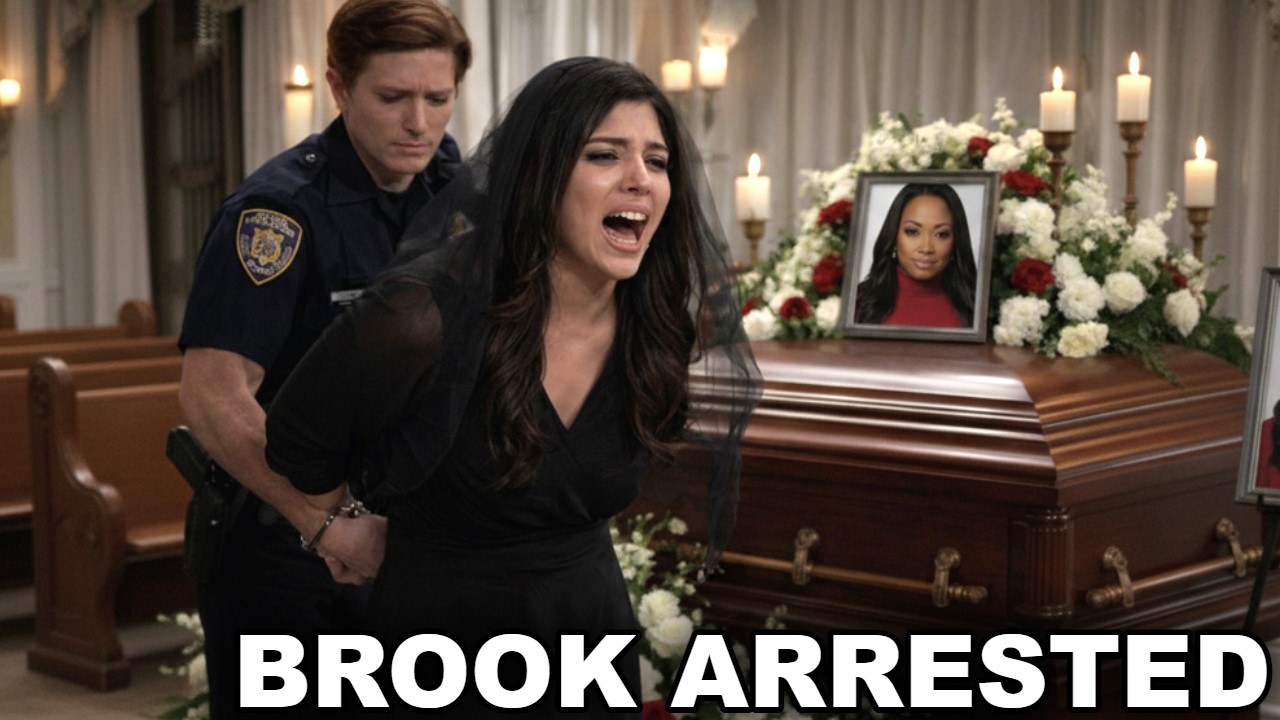
However, even if that happens, the damage may already be done. Her reputation, her marriage, and her hopes for the future could all be irreparably altered.
This storyline ultimately raises larger questions about fairness and accountability. Why are some characters given grace while others are harshly judged? Why does the narrative seem to favor certain perspectives over others?
Brook Lynn’s situation feels like a classic example of a character being positioned as a scapegoat to drive drama. While consequences for poor decisions are important, they should be distributed evenly and realistically. Right now, that balance feels off.
At its core, this is a story about how one night of mistakes—shared by multiple people—can spiral into irreversible tragedy. But instead of exploring that complexity, the focus has narrowed onto a single individual.
As viewers, it’s hard not to feel conflicted. There’s sympathy for the victims, frustration with the inconsistencies, and concern for what lies ahead for Brook Lynn. Whether she is ultimately found guilty or not, her life has already been changed forever.
And as Port Charles continues to unravel in the wake of Jordan’s death, one thing is certain: the truth, when it finally emerges, may be far more complicated than anyone is prepared to face.