
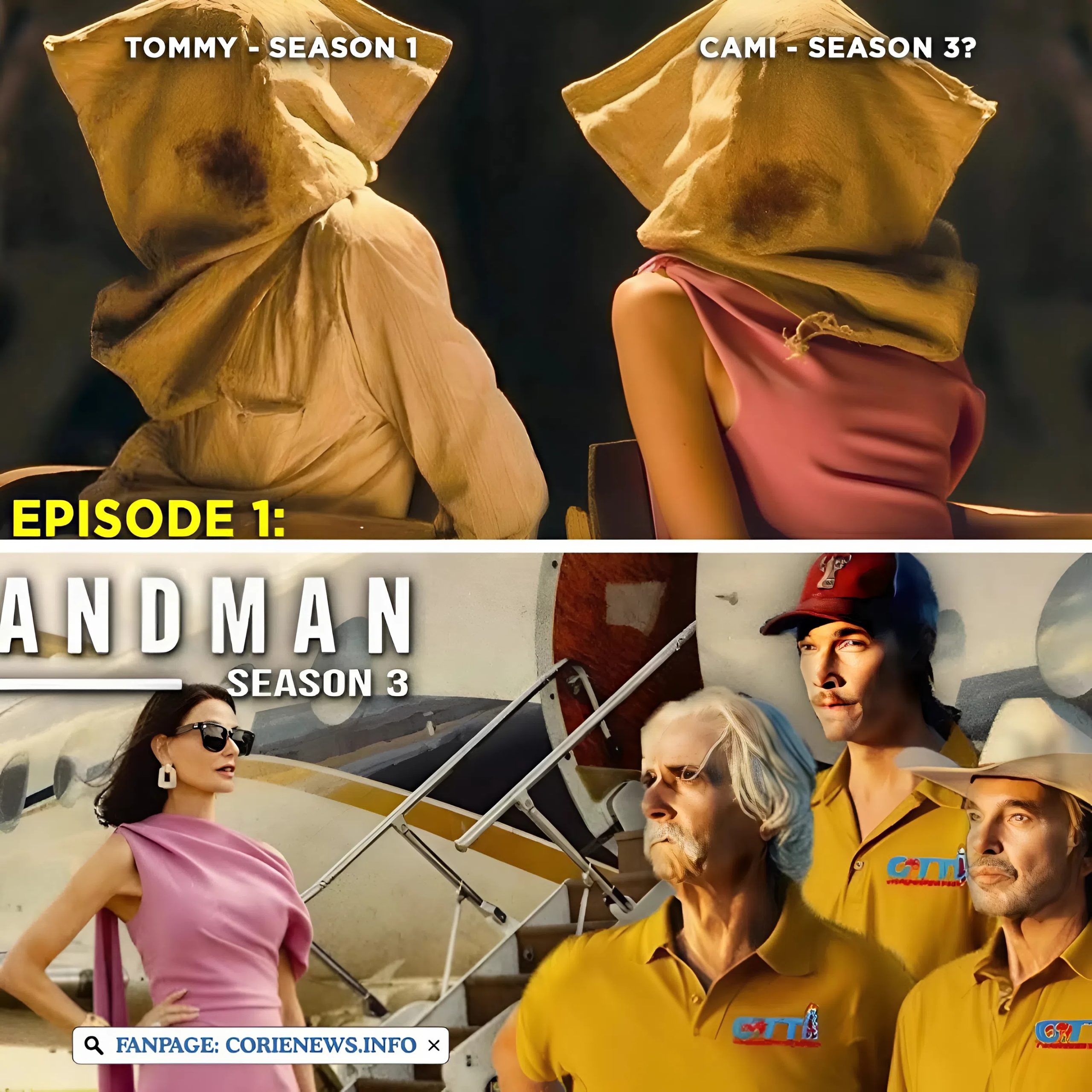
LANDMAN Season 3 Theory: The War Between Tommy and Cami Was Planned
LANDMAN Season 3 Theory: The War Between Tommy and Cami Was Planned
The world of oil politics in West Texas has always been built on risk, ambition, and carefully hidden intentions. In the universe connected to the high-stakes power struggles seen in shows like Yellowstone, influence rarely comes from brute force alone. Instead, the most powerful players often succeed because they understand how to shape events long before anyone else realizes what is happening. As the story surrounding Tommy and Cami develops, a fascinating possibility begins to emerge: the conflict that seems destined to explode between them might not be accidental at all. It may have been planned from the very beginning.
At first glance, Tommy and Cami appear to represent two completely different styles of power. Tommy’s authority is grounded in experience. He understands the oil fields, the crews, and the harsh reality of the industry because he has spent years surviving inside it. His reputation carries weight. People listen when he speaks because they know he has seen everything the business can throw at someone. Cami, on the other hand, represents a more modern and strategic form of influence. Her power comes not from the field but from understanding systems. She studies markets, corporate structures, legal pressure, and political leverage. While Tommy reads people, Cami reads the boardroom.
Because of these differences, it would be easy to assume that their growing tension is simply the natural result of competing ambitions. Yet the way they interact tells a very different story. Their conversations never feel reckless or emotional. Instead, they feel deliberate. Each word is chosen carefully. Each pause carries meaning. Neither of them rushes into confrontation, and neither seems eager to escalate the situation in front of others. In a series full of explosive personalities and sudden betrayals, the calm between Tommy and Cami stands out.
That calm might be the biggest clue of all.
When two powerful figures are truly on the verge of war, the tension usually becomes chaotic. Allies start shouting. Accusations fly. Plans unravel under pressure. But when Tommy and Cami speak to each other, the opposite happens. Their exchanges feel almost like negotiations rather than arguments. They circle around the issue instead of attacking it directly. It is as if both of them already understand something that the rest of the industry has not yet realized.
This strange restraint raises an important question. What if the conflict everyone expects is not spontaneous? What if it is part of a strategy?
In industries built on competition, perception can be as powerful as reality. If investors, executives, and political figures believe a major rivalry is forming, they begin adjusting their behavior immediately. They start choosing sides. They reposition their money. They reveal alliances they might otherwise have kept hidden. Even rumors can reshape the balance of power long before the first real move is made.
If Tommy and Cami understand this dynamic—and both of them are intelligent enough to recognize it—they could easily turn it into a weapon.
Imagine a scenario where the appearance of conflict becomes the plan itself. By allowing the industry to believe they are heading toward a major war, Tommy and Cami could force everyone around them to reveal their true loyalties. Competitors might expose their strategies while attempting to exploit the situation. Investors might rush to secure influence before the supposed battle begins. Political figures could reveal their priorities when pressured to support one side or the other.
From the outside, it would look like chaos.
From Tommy and Cami’s perspective, it would be valuable information.
This possibility also explains another unusual detail in their interactions: patience. Neither of them moves too quickly. Neither rushes into legal battles or aggressive corporate maneuvers. Instead, they allow tension to build slowly. Conversations carry hints of disagreement, but they rarely cross into outright hostility. Silence becomes part of the dialogue, as though both characters are carefully measuring how the situation evolves.
In a volatile industry like oil, timing is everything. Acting too early can expose your strategy. Acting too late can leave you powerless. If Tommy and Cami are orchestrating a controlled conflict, patience would be essential. They would need time for rumors to spread and alliances to form. Only once the landscape becomes clear would the real moves begin.
Another piece of evidence supporting this theory can be seen in how other characters react to their growing tension. Even without open confrontation, the environment around them starts to shift. Business partners grow cautious. Deals become more complicated. Conversations take on an undertone of uncertainty. People begin quietly choosing sides long before the conflict officially exists.
This behavior suggests that the industry itself already expects a war between Tommy and Cami. In a world driven by speculation and profit, expectations alone can influence decisions. Investors might move their money. Executives might reconsider partnerships. Competitors might prepare to exploit the situation.
And if Tommy and Cami are aware that everyone is watching, they could be using that attention to map the entire power structure of the region.
The narrative style of the series supports this theory as well. Rather than rushing toward dramatic showdowns, the story tends to build tension gradually through small moments. Conversations that seem casual at first later reveal deeper meaning. Characters often communicate more through silence than through speeches. Strategic thinking is rarely explained directly; it is implied through subtle choices and careful reactions.
Both Tommy and Cami fit perfectly into that style of storytelling. They are not impulsive characters. They understand that the biggest decisions in their world cannot be made in public. Strategy happens behind closed doors, long before anyone else recognizes it.
Tommy, in particular, begins showing signs of increased awareness as the season progresses. He pays closer attention to shifting alliances and corporate movements. Instead of reacting emotionally to challenges, he studies the situation. This change in behavior suggests he believes something major is approaching—and he intends to be ready when it arrives.
Cami demonstrates a similar level of control. Her responses rarely reveal everything she is thinking. She understands that perception shapes power just as much as money or land. By remaining calm while others grow impatient, she positions herself as someone who always sees the bigger picture.
If these two characters truly are planning a strategic rivalry, the goal may extend far beyond personal victory.
In West Texas, the oil industry operates through networks of loyalty and influence. Companies depend on powerful individuals to secure drilling rights, transportation contracts, and financial backing. A public conflict between two major figures could disrupt those networks overnight. Investors might be forced to declare loyalty. Political allies might reveal their priorities. Corporate competitors might expose hidden ambitions while trying to gain advantage.
In other words, the entire balance of power could shift simply because Tommy and Cami appear to be heading toward war.
For them, the reactions of everyone else would provide a clear map of the real power structure surrounding the oil fields.
There may also be a more personal dimension to their rivalry. Both characters understand the cost of holding power in a ruthless industry. Neither reached their position without making difficult decisions along the way. A controlled conflict might allow them to test each other without completely destroying the possibility of future cooperation.
In a world where alliances change constantly, today’s rival can become tomorrow’s partner. By pushing each other strategically, Tommy and Cami might be evaluating each other’s limits while protecting their own positions.
If this theory proves true in the next chapter of the story, the conflict viewers expect could become far more complex than a simple power struggle. Every public argument might hide a private agreement. Every apparent victory could disguise a deeper compromise. Some characters would believe they are witnessing a genuine battle for control of the oil industry, while the people at the center of the storm quietly shape the outcome together.
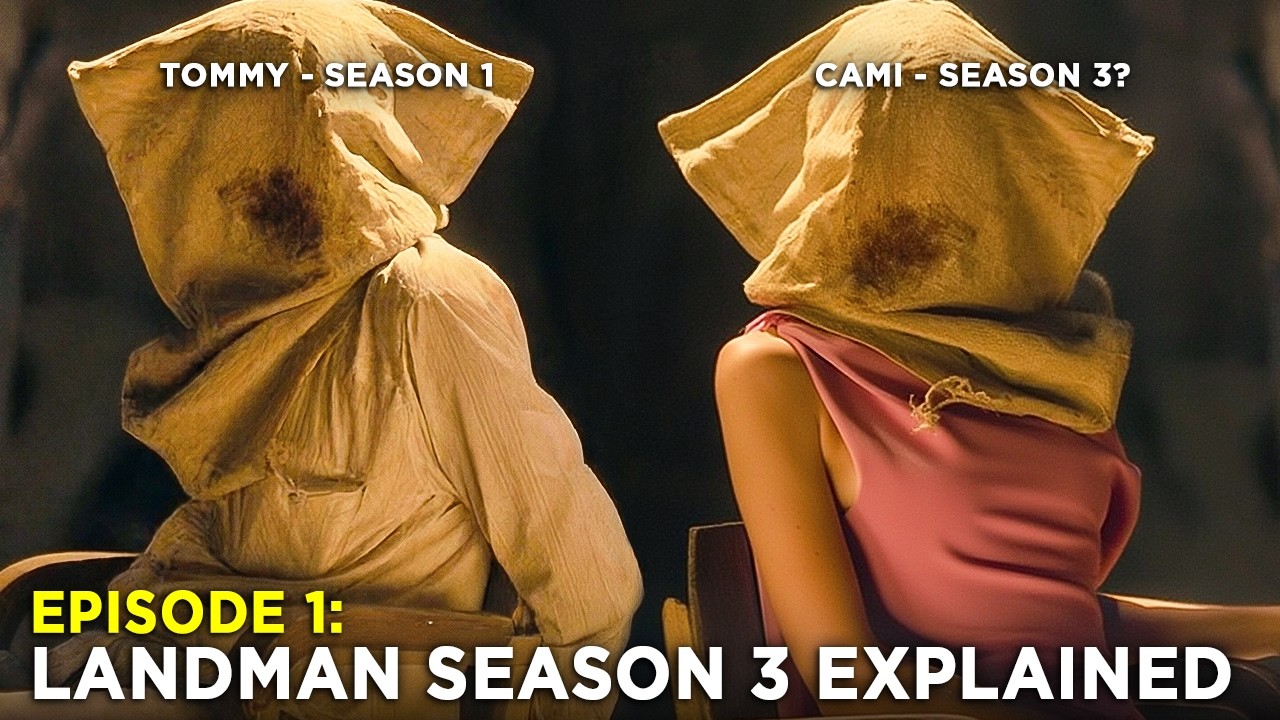
Such a storyline would fit perfectly with the themes that define this universe. Success rarely belongs to the loudest or most aggressive person in the room. Instead, it belongs to those who understand the system well enough to guide events before anyone else realizes what is happening.
Tommy and Cami both possess that level of awareness.
That is why the idea of a planned war between them feels not only possible, but almost inevitable.
The signs are already scattered throughout the story. Their measured conversations. The patience they both display. The subtle shifts in behavior among other characters. All of it hints that something larger may be unfolding behind the scenes.
The war may still be coming.
But if this theory is correct, the real surprise will not be the conflict itself.
The real revelation will be that the war was never an accident at all.
It was part of the plan from the very beginning.
Now ask yourself one final question: how many times was Greed actually right?V