
Curtis Lost The Two Most Important People In His Life. General Hospital Spoilers
Curtis Lost The Two Most Important People In His Life — General Hospital Spoilers
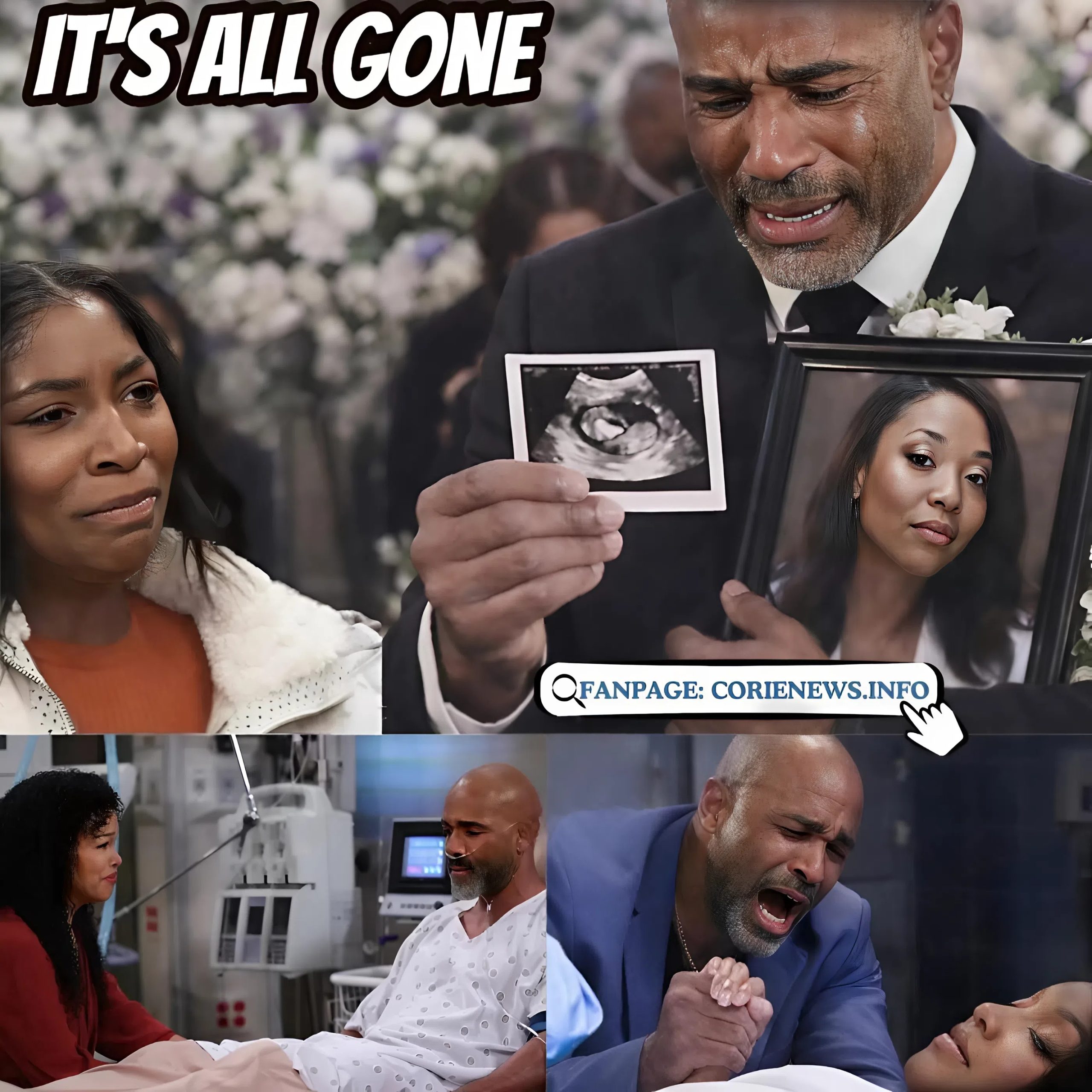
Fans of General Hospital are bracing themselves as speculation intensifies around one of the most emotionally devastating storylines the show has explored in years. At the center of it all is Curtis Ashford, a man who may soon find himself facing unimaginable loss—losing not just one, but two of the most important people in his life in a cruel twist of fate.
Rumors suggest that Jordan Ashford is clinging to life after a catastrophic accident, and the weight of that possibility alone has left viewers uneasy. This isn’t just another dramatic arc filled with over-the-top twists or miraculous recoveries. There’s something far more grounded and painfully real about this storyline. It taps into deeper emotional territory—love that never quite faded, regret that lingers, and the unpredictable nature of life that can shatter everything in an instant.
Curtis and Jordan’s history has always been layered and unresolved. Their connection never truly disappeared; it simply went dormant beneath time, separation, and new relationships. Watching them gravitate back toward each other feels both inevitable and dangerous, like two people fully aware of the consequences but unable—or unwilling—to stop themselves. Their chemistry reignites not in grand declarations, but in quiet, emotionally charged moments that carry years of unfinished business.
One such moment—a kiss shared in a car—becomes the turning point. It’s not just about passion. It’s about memory, longing, and the haunting question of “what if.” That single lapse in judgment, however, sets off a chain reaction. In classic soap fashion, a fleeting moment of emotional weakness leads directly to tragedy. A distraction. A split second. The screech of tires. The violent impact. And then, chaos.
Curtis survives the crash, but survival in Port Charles often comes at a cost far greater than physical injury. While his wounds may be minor, the emotional fallout is anything but. Guilt begins to creep in, quiet yet relentless. He replays the moment over and over, questioning whether everything could have been avoided if he had simply stayed focused. That kind of guilt doesn’t fade easily—it lingers, shaping every thought and emotion that follows.
Meanwhile, Jordan’s condition is far more critical. She’s rushed into surgery with severe injuries, possibly even a traumatic brain injury. The hospital becomes a whirlwind of urgency, with doctors racing against time to save her life. Among them is Portia Robinson—Curtis’s current partner, who is also pregnant with his child. The irony is staggering. Portia, carrying Curtis’s future, may be the one tasked with saving the woman who represents his past.
The emotional tension in that operating room is almost unbearable. Portia must push aside her personal feelings and focus on her duty as a doctor, but the circumstances are anything but simple. She knows what Jordan means to Curtis. She understands the emotional history they share. Yet, in that moment, none of it can interfere with the precision and professionalism required to save a life.
Then comes the revelation that changes everything.
Jordan is pregnant.
The news hits like a thunderclap. She had no idea. Neither did Curtis. What was already a complicated and emotional situation suddenly becomes even more devastating. The child she carries is Curtis’s—a symbol of a love that never fully died, a future that neither of them saw coming. It’s a bittersweet twist, filled with poetic tragedy. Just as their connection resurfaces, they discover they were already bound together in a way neither of them expected.
But the hope is fleeting.
The injuries from the accident prove too severe, and doctors deliver the heartbreaking news: the baby cannot be saved. Jordan learns of her pregnancy only to be told, almost in the same breath, that she has lost the child. There is no time for joy, no chance to process the miracle—only grief, immediate and overwhelming.
For Curtis, the loss is crushing. He mourns a child he never had the chance to know, a future that disappeared before it even began. And as he watches Jordan suffer, the weight of his guilt only deepens. He tries to comfort her, offering words of support and encouragement, but in the face of such profound loss, words feel painfully inadequate.
Still, he stays.
Despite everything—the complications, the guilt, the tangled relationships—Curtis refuses to walk away from Jordan. His presence becomes a quiet testament to the enduring nature of love. Even after divorce, even after moving on, some connections never truly break. They evolve, they shift, but they remain. 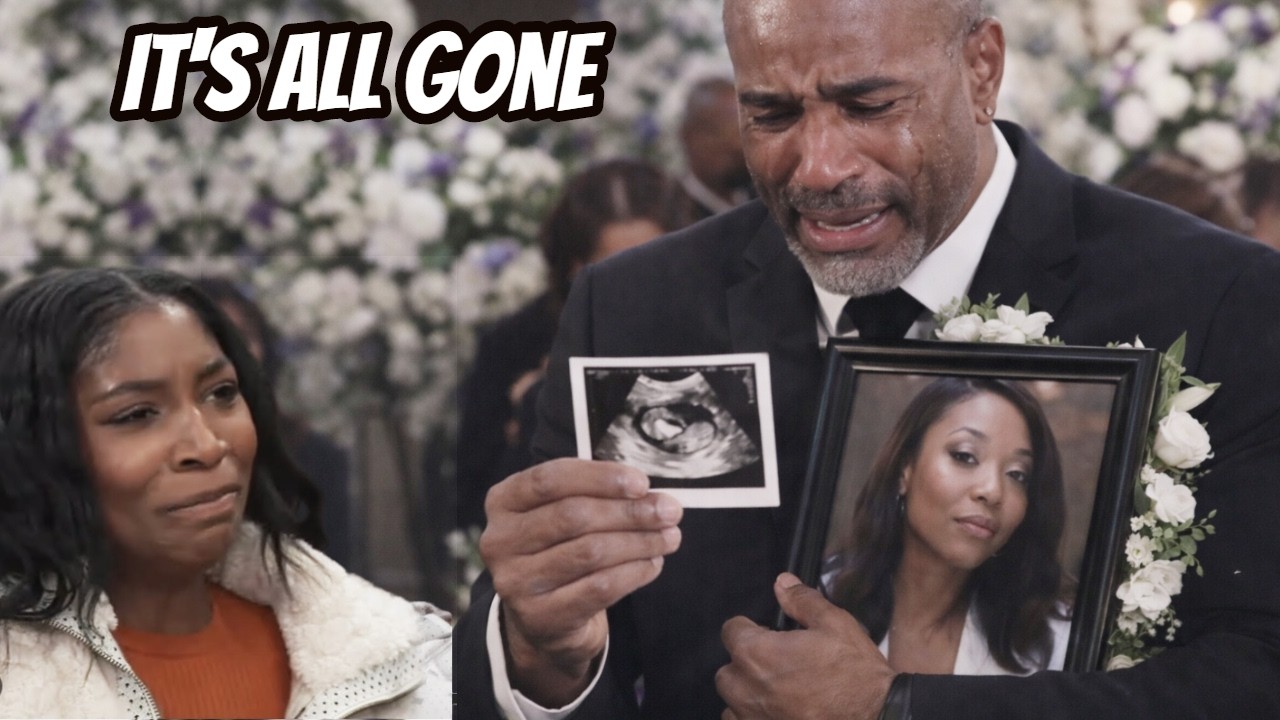
As Jordan prepares for a critical surgery that could determine her fate, the emotional stakes reach their peak. She is not just fighting for her life—she is grappling with the loss of her child, the weight of her past, and the uncertainty of her future. It’s a level of trauma that feels almost unbearable, yet it reveals a vulnerability in her character that makes her journey all the more compelling.
And looming over it all is the possibility that she may not survive.
If Jordan dies, Curtis will be left with an emptiness that cannot be filled. He will have lost the woman who once shared his life and the child they unknowingly created together. It would be a devastating double loss—one that would haunt him indefinitely.
The silence that follows such tragedy is often louder than any dramatic outburst. One can easily imagine Curtis standing in a hospital corridor, struggling to comprehend the magnitude of what he has lost. How does anyone recover from something like that? The truth is, there’s no easy answer.
This storyline forces viewers to confront difficult questions. What happens when we don’t get the chance to make things right? What if a single moment of weakness leads to irreversible consequences? It’s a harsh reminder of how fragile life truly is—how quickly everything can change without warning.
Part of what makes this arc so powerful is its emotional authenticity. Beneath the dramatic elements lies a core truth about human experience. Love is complicated. Timing is rarely perfect. And sometimes, life doesn’t give us the closure we seek.
There’s also an educational layer woven into the narrative. The depiction of emergency medical care highlights the urgency and precision required in life-threatening situations, particularly when it comes to head trauma. While dramatized, it sheds light on the realities of such crises. Similarly, the portrayal of pregnancy loss is handled with a level of sensitivity that reflects real-world experiences—acknowledging the deep emotional impact such loss can have, even when the pregnancy was unexpected.
Soap operas, for all their heightened drama, often serve as mirrors to real life. They open the door to conversations about grief, relationships, and resilience. They remind viewers that even in the most fictional settings, the emotions are real.
As for the future, it remains uncertain. If Jordan survives, her road to recovery will be long and filled with challenges—both physical and emotional. She will have to navigate her grief, rebuild her strength, and confront the complicated reality of Curtis’s life with Portia.
If she doesn’t survive, the impact will be permanent. Curtis will carry that loss with him forever, and so will the audience.
Either way, this storyline leaves a lasting impression. It’s not just about shocking twists or dramatic moments—it’s about the fragile nature of human connection. It’s about how quickly life can unravel. And most of all, it’s about love—messy, imperfect, and enduring.
In Port Charles, nothing is ever guaranteed. But one truth remains constant:
Love always comes with a price.