
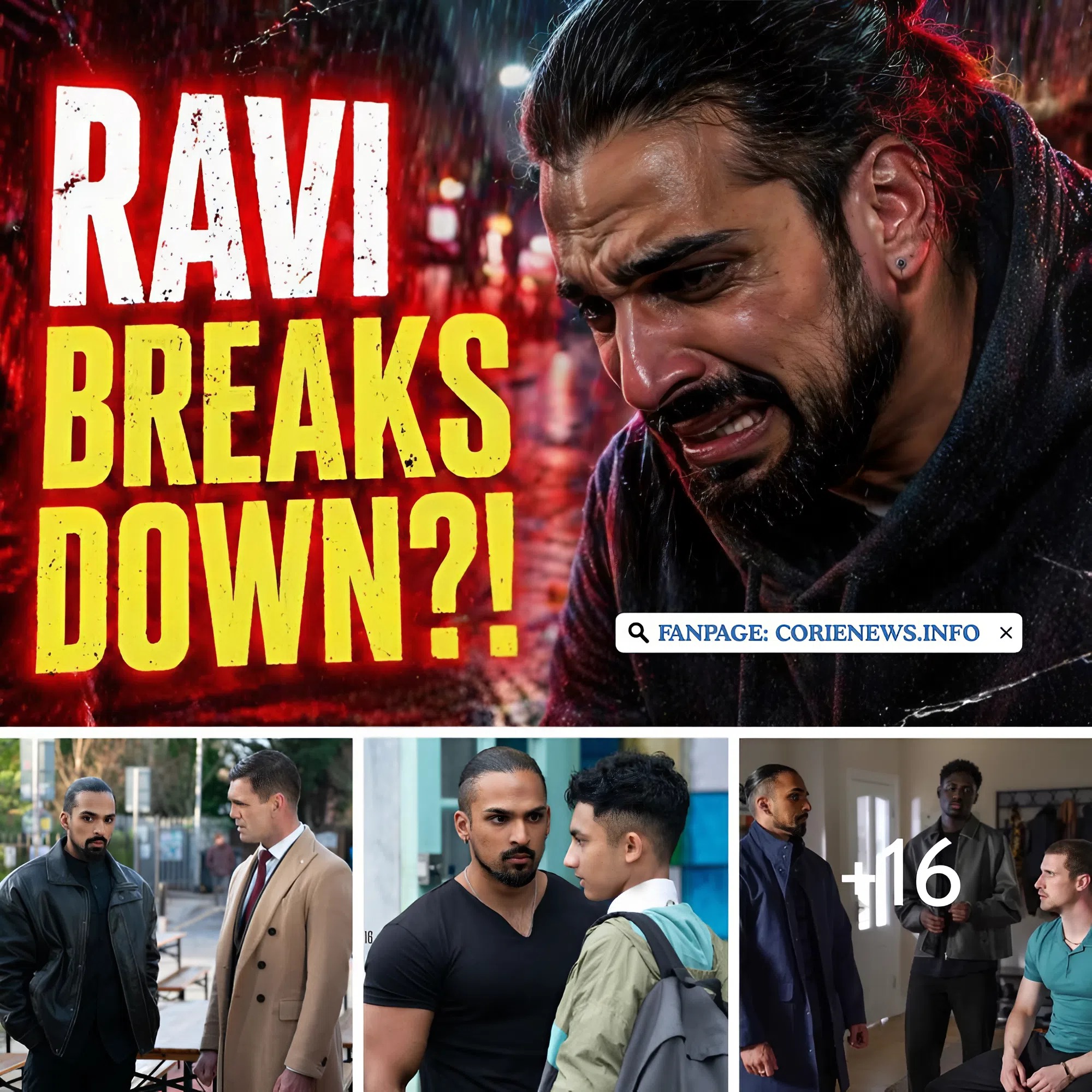
Ravi Gulati’s Mental Breakdown 😱 Dark Storyline Takes a Devastating Turn
Ravi Gulati’s Mental Breakdown 😱 Dark Storyline Takes a Devastating Turn
Ravi Gulati is about to spiral into the most devastating chapter of his life—and what unfolds next is nothing short of harrowing. For a long time, he has existed in a space defined by danger, volatility, and a reputation that keeps everyone on edge. He’s never been someone people fully trust, and for good reason. His actions have often been ruthless, calculated, and driven by survival. But beneath that hardened exterior lies something far more complicated: a man who, despite everything, deeply cares about his family and clings to the role of protector. That fragile contradiction is exactly what makes his downfall so tragic.
The turning point comes in a moment that no one sees coming. In a blur of anger, confusion, and loss of control, Ravi lashes out—only to realize too late that the person he’s hurt is his own son, Nugget. It’s not just a mistake; it’s a devastating fracture that shakes him to his core. This isn’t something he can brush off or justify. It’s the kind of moment that forces a person to confront who they’ve become. And for Ravi, that realization is unbearable.
From that point on, everything begins to unravel. The guilt consumes him, eating away at whatever stability he had left. He’s no longer just a man with a dangerous edge—he’s a man who’s lost control in the worst possible way. Every interaction, every silence, every glance from those around him becomes heavier. He starts to withdraw, unable to face what he’s done or the consequences that are closing in around him.
But Ravi’s personal turmoil is only one piece of the storm that’s brewing. Elsewhere, a secret begins to surface—one that threatens to destroy him completely. Mark Fowler Jr. uncovers the truth that Ravi has been working as a police informant. It’s a revelation that carries explosive consequences, especially in a world where loyalty and betrayal are taken deadly seriously. When the truth comes out, it doesn’t lead to confrontation—it leads to violence.
What follows is brutal. Ravi is subjected to a savage beating that leaves him physically broken and emotionally shattered. It’s not just punishment; it’s a message. A reminder that his choices have consequences that ripple far beyond his control. Already teetering on the edge, this attack pushes him even further into darkness. The physical pain fades compared to the psychological damage it inflicts. He’s trapped—by his own decisions, by his guilt, and by the reality that there may be no way out.
Yet the most shocking revelation is still to come. While Ravi is trying—and failing—to hold himself together, Priya discovers something deeply disturbing. Hidden beneath his already crumbling state is a secret he’s been desperate to conceal: Ravi has been self-harming. It’s not a cry for attention or a calculated act—it’s a manifestation of the overwhelming guilt and emotional torment he can’t escape. He’s been silently punishing himself, unable to cope with the weight of everything he’s done.
This revelation changes everything. It forces those around him to see beyond the persona he’s built over time. Ravi is no longer just the dangerous man people fear—he’s someone who is deeply broken, drowning in pain he doesn’t know how to express. The silence he’s been hiding behind becomes deafening. And for Priya, the truth is both heartbreaking and terrifying.
As the story progresses, Ravi reaches a critical breaking point. The pressure from every direction becomes too much to bear. His guilt over Nugget, the fallout from being exposed as an informant, the physical and emotional scars from the beating, and the internal battle he’s been fighting in isolation—all of it collides at once. He begins to feel completely powerless, as though every attempt to fix things has only made them worse.
In that fragile state, Ravi starts to believe something dangerous: that there’s no way forward. No redemption. No forgiveness. No escape. The idea takes root in his mind, growing stronger with each passing moment. It’s not just despair—it’s a complete loss of hope. And that’s what makes this storyline so intense. It doesn’t just show a man struggling; it shows a man who genuinely believes he’s beyond saving.
The tension builds as viewers are left wondering just how far Ravi will go. Will he find a way to pull himself back from the brink, or is he heading toward a point of no return? The uncertainty hangs heavy over every scene, making each moment feel charged with emotion and unpredictability.
But just when it seems like everything is slipping away, something unexpected happens. His family refuses to give up on him. Despite everything he’s done, despite the pain he’s caused, they choose to stand by him. It’s not easy, and it’s not immediate. There’s anger, hurt, and hesitation. But beneath it all is a determination to not let Ravi disappear into his own darkness.
They confront him—not with judgment, but with truth. They force him to face the reality of his actions, the damage he’s caused, and the pain he’s been hiding. It’s a difficult process, filled with resistance and emotional clashes. Ravi isn’t ready to accept help, not at first. He’s spent so long believing he has to handle everything on his own that the idea of opening up feels impossible.
Yet slowly, something begins to shift. The walls he’s built start to crack. The weight he’s been carrying alone becomes something he can finally begin to share. It’s not a sudden transformation, and it’s not portrayed as an easy fix. Instead, it’s a gradual, painful journey toward acknowledging that he needs help—and that accepting it doesn’t make him weak.
This turning point is what elevates the storyline from simply dramatic to deeply impactful. It’s not just about the events that happen to Ravi; it’s about the emotional truth behind them. It explores themes of guilt, mental health, and the consequences of unresolved trauma in a way that feels raw and authentic. 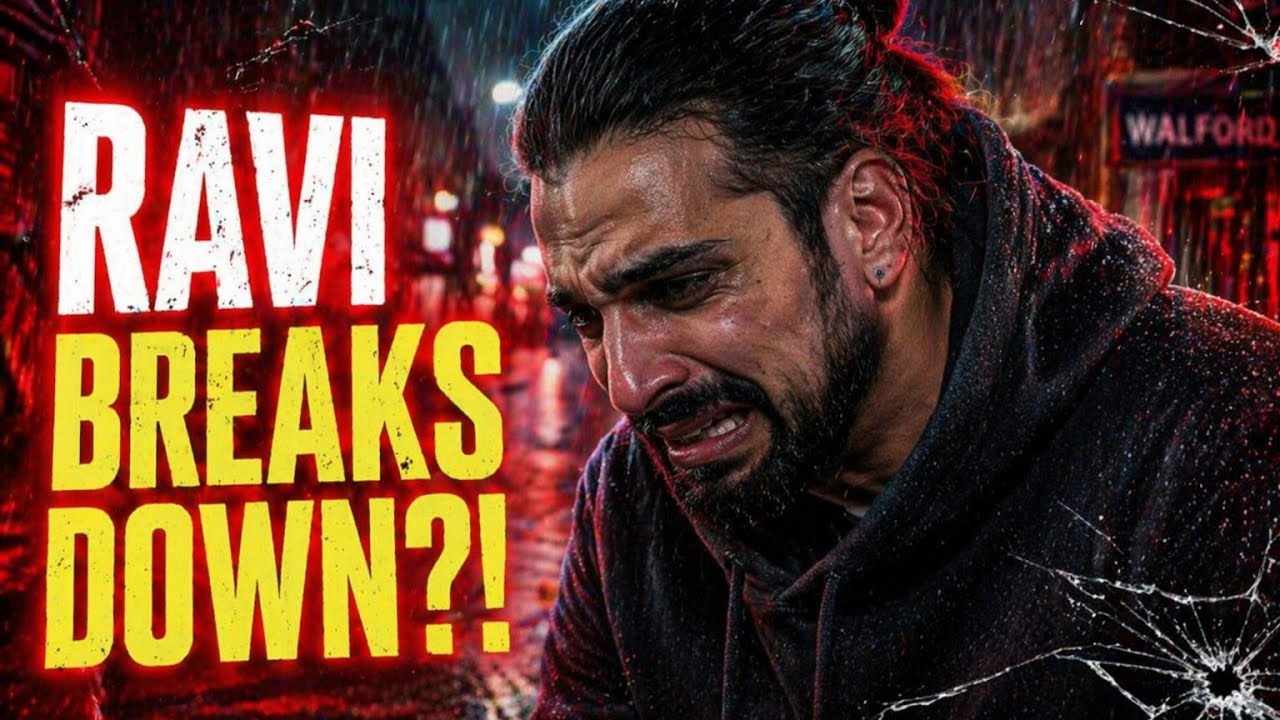
Ravi’s journey becomes one of reckoning. He has to confront not only what he’s done but also who he’s been. The man who once relied on intimidation and control is now forced to navigate vulnerability and accountability. It’s a transformation that doesn’t erase his past but challenges him to build something different moving forward.
At its core, this storyline is about more than just one character’s breakdown. It’s about the ripple effects of pain and the importance of connection in the face of overwhelming darkness. It highlights how easy it is for someone to lose themselves when they’re consumed by guilt and isolation—and how powerful it can be when others refuse to let them fall completely.
The emotional intensity of this arc is what makes it stand out. Every moment feels earned, every reaction grounded in the characters’ experiences. It doesn’t shy away from the harsh realities of what Ravi is going through, but it also doesn’t abandon the possibility of hope.
By the time Ravi begins to accept help, it feels like a hard-fought victory. Not a complete resolution, but a step in the right direction. A sign that even in the darkest moments, there’s still a chance for change.
This storyline isn’t just another chapter—it’s a defining moment. One that challenges perceptions, pushes boundaries, and delivers a powerful message about the complexities of human behavior. It’s intense, emotional, and deeply moving, leaving a lasting impact long after the episodes end.
And as everything continues to unfold, one thing is certain: this is a journey that no viewer will forget anytime soon.