
“Rise and Fall of Yellowstone: Why It Was Cancelled?
Rise and Fall of Yellowstone: Why It Was Cancelled
Yellowstone, the modern western drama about a Montana ranching family, became one of the most successful TV shows of the decade, pulling in 16 million viewers at its peak and generating billions in revenue.
But despite its massive popularity, the show came to a sudden and controversial end in December 2024—not because of ratings, but because of corporate chaos, creative tension, and Hollywood ego.
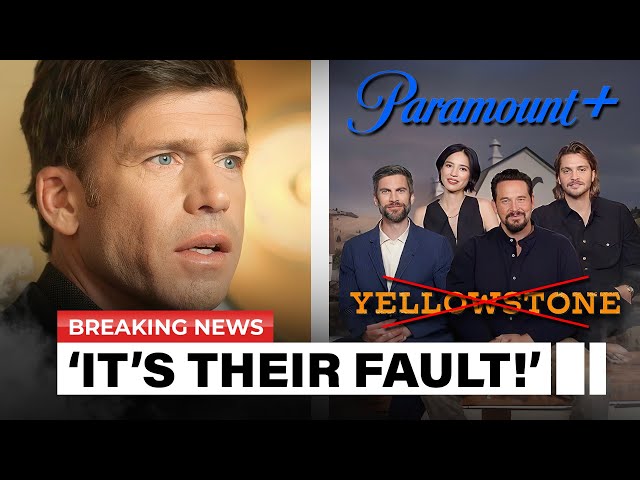
Yellowstone started as a rejected HBO pilot. Taylor Sheridan, its creator, pitched the show as “The Godfather meets Succession, but with cowboys.” HBO passed, calling it “too middle America.”
Paramount Network, desperate for original content, took a chance and gave Sheridan total creative control. He cast Kevin Costner as John Dutton, paying him $500,000 per episode—a gamble that paid off when Yellowstone premiered in 2018 to strong ratings. By season 3, the show was a cultural phenomenon, with viewers from rural America and cities alike, and tourism to Montana booming.
But Paramount made a disastrous business decision: they sold Yellowstone’s streaming rights to Peacock (NBC Universal) just weeks before launching their own streaming platform, Paramount Plus. This meant the show that could have anchored Paramount’s streaming strategy was locked to a competitor, and Paramount was forced to promote their rival’s platform during CBS reruns.
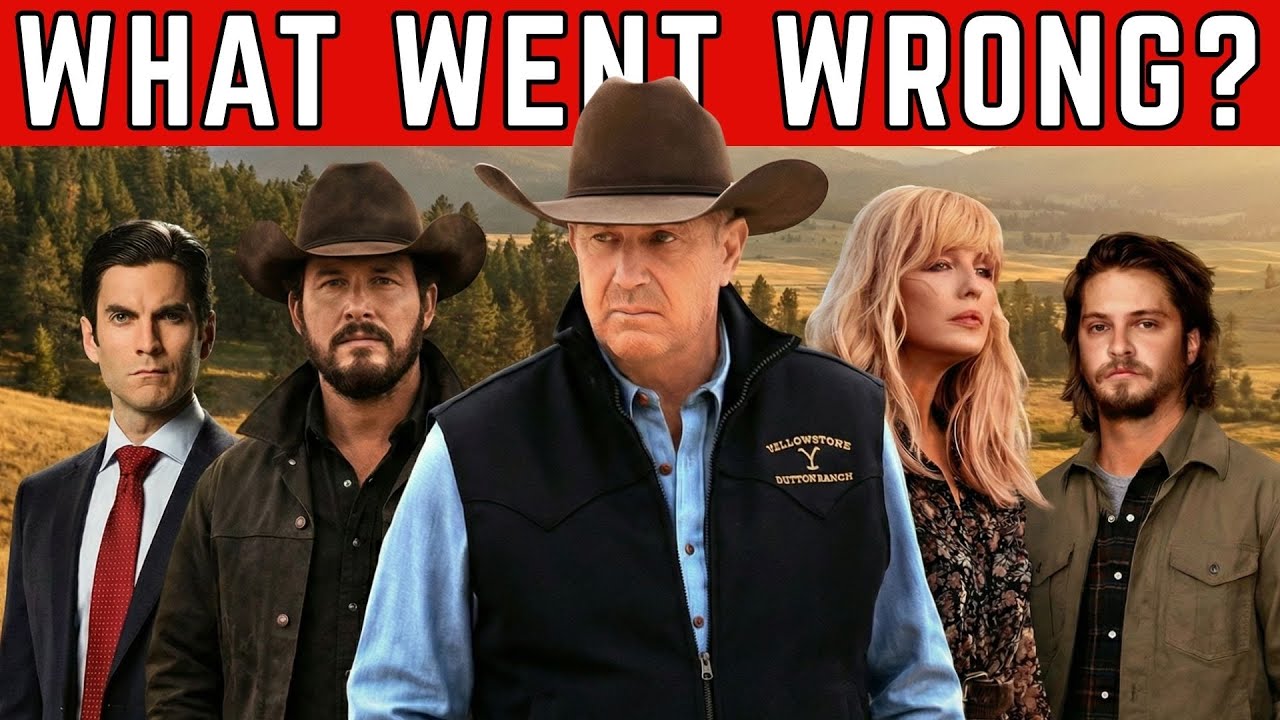
To compensate, Paramount green-lit spin-offs like 1883 and 1923 for their own platform, but these required Taylor Sheridan’s involvement. Sheridan insisted on writing every episode himself, and soon he was stretched thin across multiple shows.
Meanwhile, Kevin Costner began prioritizing his passion project, Horizon, a four-film western epic, causing scheduling conflicts. Paramount wanted to split Yellowstone’s fifth season into two parts, but this clashed with Costner’s filming schedule. Reports of contract disputes, creative differences, and even a physical altercation between Costner and co-star Wes Bentley surfaced, dividing the cast.
Costner eventually walked away, claiming Paramount owed him $12 million. Sheridan revealed that John Dutton was never meant to be in the final episodes, but the chaos meant Costner’s character was killed off-screen, and he learned about it from the news—not from the producers.
Despite the turmoil, Yellowstone’s final episodes drew record ratings, proving the show was bigger than any one star. But the real reason for its cancellation was corporate dysfunction.
Paramount was acquired by Sky Dance Media in 2024, and new executives began interfering with Sheridan’s creative process, giving notes and making casting decisions without his input. Sheridan and Chris McCarthy, the executive who championed Yellowstone, left for NBC Universal, taking the franchise’s creative heart with them.
Yellowstone’s spin-offs will continue, but without Sheridan as showrunner or Costner as lead, they’re unlikely to recapture the magic. The show’s success proved there’s a massive audience for authentic storytelling about rural America, but Hollywood business decisions killed it at its peak.
In the end, Yellowstone’s downfall was driven by a streaming deal signed too early, a star prioritizing his own project, a creator stretched too thin, and a corporate merger that changed everything. The final season generated over 600 million social media engagements, but the audience never left—the show was killed by corporate chaos, not by viewers.