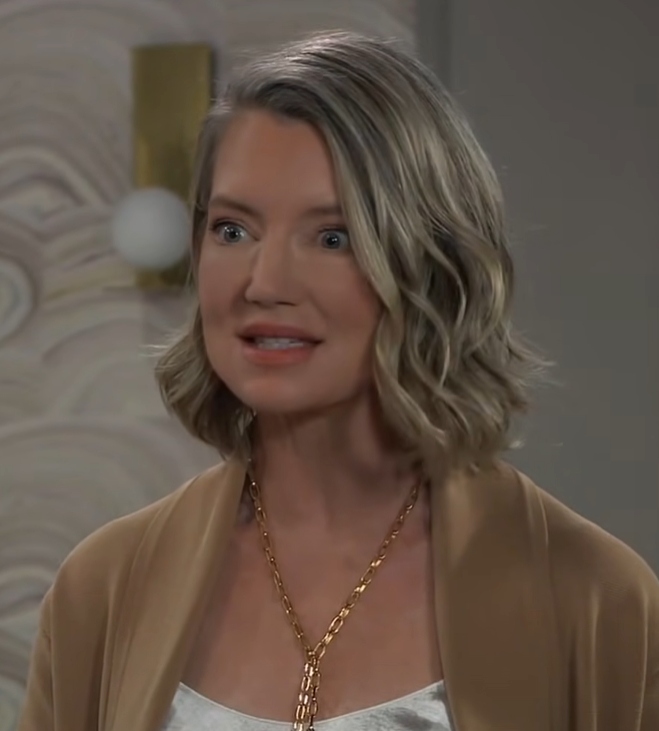
A shocking fan theory is exploding across the General Hospital fandom, and it’s pushing one of the show’s most controversial characters into a moral nightmare. One viral comment says it all: “If Nina is a good mother she will have her daughter committed. She needs to help now, not protection. What if she hurts more people?” This isn’t just another soap debate. For many viewers, Willow has crossed a line so dark that redemption may no longer be enough.
For years, Willow was written as the compassionate, selfless teacher, the gentle mother, the moral compass in Port Charles. That image is now shattered. Her actions against Drew have transformed her from victim to villain in the eyes of many fans. She shot him, drugged him, manipulated his medical condition, and disposed of evidence while pretending to be the devoted wife. This is no longer a misunderstanding or a moment of weakness. It’s a calculated pattern of behavior that fans are calling psychological, dangerous, and deeply disturbing.
The core of the fan argument is simple but brutal: Willow is no longer just flawed, she is unsafe. If she was willing to paralyze Drew to control him, what stops her from doing the same to someone else? Soap fans thrive on dramatic twists, but even within the exaggerated world of daytime drama, there is an invisible line between conflicted characters and outright threats. Many viewers believe Willow has crossed that line, and they are terrified of what she could do next.
This theory places Nina in the most painful position imaginable. As a mother, her instinct is to protect her child at all costs. As a member of the Port Charles community, she has a responsibility to prevent further harm. The fan comment reframes Nina’s role in a powerful way: protecting Willow might actually be the selfish choice, while committing her for psychiatric treatment could be the most loving act a mother can take. This moral dilemma is classic soap opera gold, but it also taps into real-world questions about accountability, mental health, and unconditional love.
Many fans are drawn to the idea of a commitment storyline because it is one of the darkest and most emotional tropes in soap history. Institutionalization arcs have historically exposed secrets, fueled family betrayals, and created long-lasting trauma. Imagine Nina signing the papers to commit her own daughter, knowing Willow will see it as the ultimate betrayal. Imagine Willow waking up in a psychiatric facility, convinced her mother destroyed her life. This kind of storyline would instantly redefine their relationship forever.
There is also a growing segment of the fandom that does not want Willow redeemed. Soap audiences often enjoy redemption arcs, but they also crave long-term villains. Willow’s transformation into a manipulative, calculating antagonist has energized viewers who want to see her fully embrace the dark side. They want consequences, not excuses. For them, a commitment storyline would be the perfect way to push Willow deeper into villain territory while still keeping her sympathetic enough to be tragic.
The theories don’t stop there. Some fans speculate that Nina will protect Willow and hide her crimes, leading to even more victims and a massive scandal when the truth finally explodes. Others believe Nina will choose the greater good and commit her, triggering a revenge arc where Willow targets her own mother. A darker twist suggests Willow might fake mental illness to avoid prison, manipulating the system the same way she manipulated Drew. Each theory fuels endless debate, fan edits, and heated comment sections.
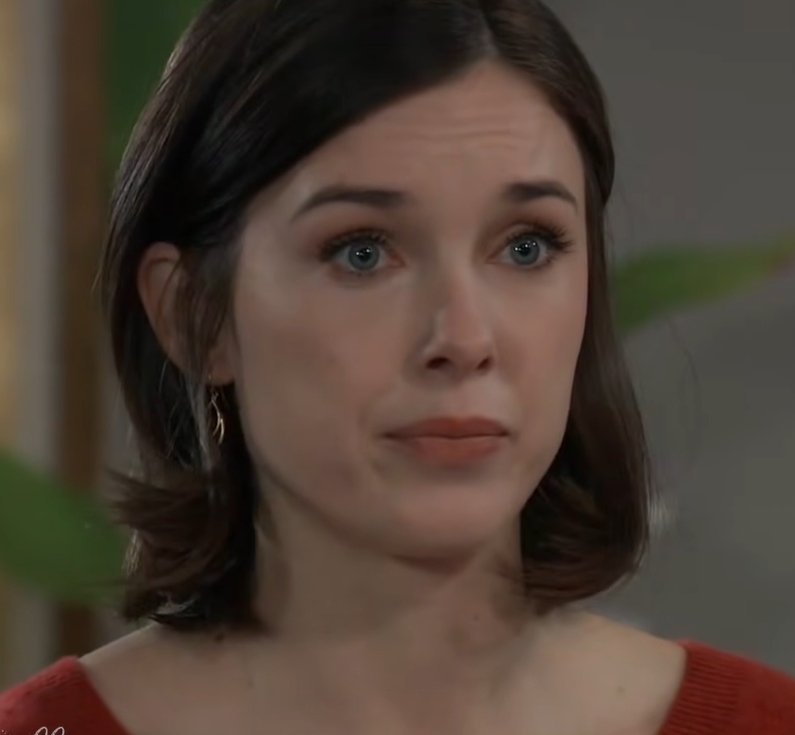
At the heart of this debate is one haunting question: Is Willow sick, or is she simply evil? Soap operas have always blurred that line, and fans love dissecting every motive and micro-expression. Some viewers argue that Willow is traumatized and needs help. Others insist she is fully aware of what she is doing and deserves punishment, not therapy. Nina’s decision, if it ever happens on screen, would symbolize which interpretation the show chooses to embrace.
This storyline has the potential to become one of General Hospital’s most talked-about arcs in years. A mother committing her own daughter for the sake of public safety is the kind of storyline that sparks outrage, sympathy, and obsession all at once. It forces viewers to confront uncomfortable truths about love, responsibility, and the limits of forgiveness.
The fandom is already divided, and that’s exactly why this theory is so powerful. Some fans are cheering for Nina to step in and stop Willow before it’s too late. Others are rooting for Nina to stand by her daughter, no matter how monstrous her actions become. And many are simply sitting back, waiting for the inevitable explosion when all secrets come to light.
Should Nina commit Willow to protect everyone in Port Charles, or should she protect her daughter at all costs? Is Willow a deeply troubled woman who needs help, or a cold-blooded villain who deserves justice? One thing is certain: the fandom is watching, and they are ready for war in the comments.