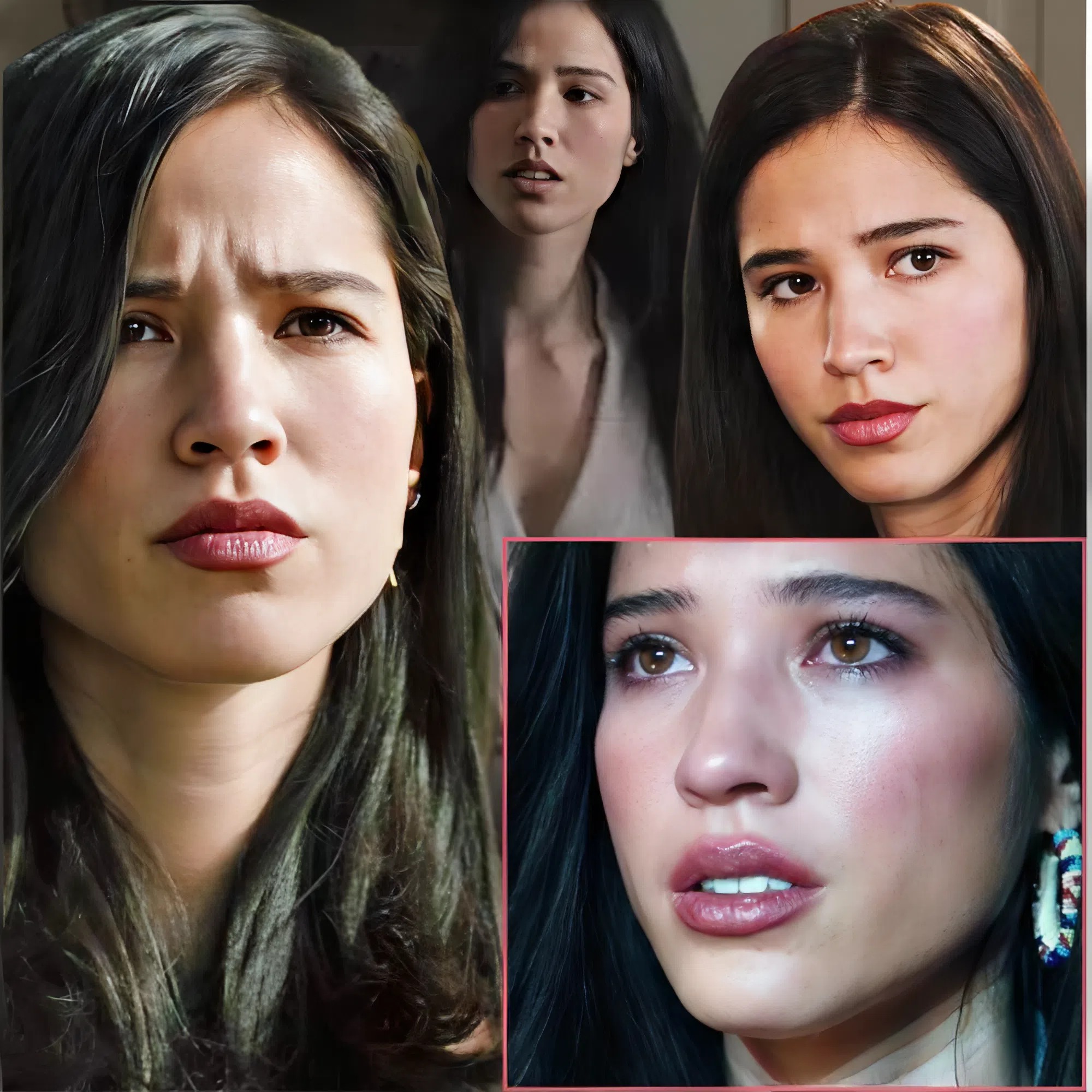
From the very beginning of Marshals, one of the most heart-wrenching and compelling aspects of the series has been the absence of Monica Dutton, Kayce’s beloved wife. Though the show does not depict her directly, her presence is felt in every scene she is referenced—through memories, stories, and the emotional scars left behind. Rather than leaving a void, Monica’s absence becomes the emotional heartbeat of the series, particularly highlighted in Episode 6, where her influence shapes both the story and the characters’ journeys in profound ways.
Turning Grief Into Purpose
Even in the earliest episodes, it’s clear that Monica’s death left a massive hole in Kayce’s life. Her passing, never directly shown on screen, is experienced through Kayce’s grief and the way it propels him to join the U.S. Marshals. This decision is not just a career move—it’s a personal journey of coping and healing, a testament to how loss can become a driving force.
Episode 6 underscores this theme, noting that it has been exactly one year since Monica’s death. Though brief, this detail is powerful, reminding both Kayce and the audience that grief is not linear. It lingers, influencing decisions, emotions, and interactions in subtle yet significant ways.
The Power of Absence
A common question among fans is why Monica hasn’t appeared directly in the spin-off. Beyond practical considerations, keeping her “off-screen” actually amplifies her impact. Monica is more than a character—she is a symbol, an invisible force guiding Kayce’s actions and shaping his relationships, particularly with his son, Tate.
Marshals distinguishes itself by using Monica’s absence as a storytelling tool. Instead of relying solely on action sequences or crime-solving drama, the show emphasizes psychological depth and emotional resonance. Monica becomes a presence felt rather than seen, her legacy embedded in every choice and every risk Kayce takes.
Emotional Highlights in Episode 6
Episode 6, “Out of the Shadows,” elevates Monica’s emotional influence. Kayce and the Marshals return to Broken Rock for a memorial marking one year since her passing. The scenes are quiet but charged with intensity. Kayce’s expressions, the lingering silence, and the subdued interactions all convey a depth of grief that words alone could never capture.
This is more than a tribute—it’s a moment of reckoning for Kayce. He is confronted with the reality of life without Monica, forced to navigate both his own sorrow and the responsibilities of protecting others. It demonstrates that Monica’s strength and values continue to shape the choices of those who loved her, even after she is gone.

Monica’s Influence on Other Characters
Monica’s absence also profoundly affects Kayce’s relationship with Tate. Her passing has made Kayce more sensitive, more willing to listen, and more protective of his son. Every decision he makes, from dangerous Marshal missions to personal interactions, carries Monica’s imprint—a reminder of the love, responsibility, and sacrifice she embodied.
Interestingly, while the series explores other character relationships through dialogue and conflict, Monica’s impact is conveyed through Kayce’s actions and emotional responses, making the audience feel the weight of her legacy on a deeply personal level.
A Living Legacy
Monica Dutton in Marshals proves that a character’s influence does not depend on screen time. Her absence is her presence. Every choice, every moment of courage, and every act of compassion by Kayce reflects the lessons Monica instilled. Episode 6 makes it clear: Monica’s legacy is alive in the story, inescapable and enduring.
As the series progresses, questions remain: Will Monica’s memory continue to serve solely as Kayce’s guiding force, or will it intersect with new relationships, challenges, and plotlines? While the answer is uncertain, one thing is undeniable: Monica Dutton’s emotional imprint ensures that every scene carries more weight, making the series richer and more resonant for the audience.
Her story demonstrates a powerful truth: sometimes, the most compelling characters are those whose presence is felt more than seen. Monica’s absence is her strength, a constant reminder that love, grief, and memory can shape lives in ways nothing else can.