The Madison OFFICIAL Trailer & First Look! — Yellowstone Universe Spoiler Breakdown
The first official trailer for The Madison arrives with a tone that is strikingly different from what audiences might expect from a story set in the rugged landscapes of the American West. Rather than opening with explosive action or dramatic confrontations, the preview unfolds with quiet emotion and reflective imagery. From the very beginning, the trailer suggests that this series is not built around spectacle but around something far more intimate: the inner lives of people struggling to rebuild themselves after profound loss.
The opening moments feel almost hushed. A woman stands at the edge of a river, the water moving slowly past her boots. The surrounding landscape is wide and open, but instead of freedom, the scene conveys loneliness. Her voice breaks the silence with a simple but devastating confession: “My center, my soul is gone.” That line establishes the emotional core of the story immediately. Whatever tragedy has struck this family, it has shaken them so deeply that they are left questioning not only their future but also their sense of identity.
At the heart of the narrative are Stacy and Preston Clyburn, a married couple whose lives have been dramatically altered by events that the trailer only hints at. Their grief is unmistakable. Stacy’s pain is raw and immediate, expressed openly in moments of quiet despair. Preston’s sorrow, on the other hand, appears more restrained. He carries it with the slow, contemplative weight of someone who has learned that grief does not simply disappear—it evolves, changes shape, and demands attention in different ways over time.
Throughout the trailer, Preston is often seen alone. In one scene, he stands waist-deep in the Madison River, fishing in silence. The act seems less about catching fish and more about searching for a sense of calm. His face suggests a man reflecting on everything he has lost, but also someone who understands that life cannot remain frozen in mourning forever.
The emotional contrast between Stacy and Preston becomes one of the trailer’s most compelling elements. Stacy seems trapped in the immediacy of heartbreak, while Preston exists somewhere further down the road of acceptance, though not without pain. Their relationship appears strained not because they lack love for one another, but because they are navigating grief in entirely different ways.
The trailer also introduces the rest of the Clyburn family, though only in brief glimpses. These moments feel like fragments of a larger puzzle. A child looking uncertainly out a window. A family gathering around a dinner table that feels unfamiliar. Quiet exchanges between relatives who are all trying to adjust to a life that has suddenly been uprooted.
What becomes clear is that the Clyburns have left behind a very different world. The trailer briefly flashes images of New York City—tall buildings, crowded streets, and the constant pulse of urban life. These scenes are sharply contrasted with the sweeping valleys and quiet rivers of Montana. The shift between these two environments is dramatic, and the trailer uses it deliberately to underline the family’s transformation.
New York represents the life they once knew: fast-paced, structured, and filled with professional ambition. Montana, by contrast, appears almost timeless. The wide-open spaces create both freedom and isolation. For the Clyburns, the move to the Madison River Valley is not just a change of scenery—it is a complete upheaval of their identity.
In the city, their lives may have been defined by careers, achievements, and social status. In Montana, those markers disappear. What remains are the more fundamental aspects of human existence: grief, connection, resilience, and the search for meaning.
The land itself becomes an unspoken character in the trailer. Mountains loom in the distance, rivers cut through the valleys, and endless skies stretch across the horizon. These natural elements seem to mirror the emotional state of the characters. The vastness of the landscape reflects both the emptiness they feel and the possibility that healing might exist somewhere within that openness.
One of the trailer’s most significant moments introduces a new character: a therapist named Dr. Phil Yorn. His role appears subtle but crucial. In a quiet conversation with Stacy, he tells her, “You will heal if you let yourself.” The line stands out because it offers one of the few direct statements of hope in the entire preview.
However, the statement also carries a challenge. Healing is not portrayed as something that happens automatically. It requires willingness. It demands effort. And it may involve confronting painful truths that the characters would rather avoid.
The interactions between Stacy and Dr. Yorn hint that the series will explore the psychological side of grief just as deeply as the emotional and relational aspects. Rather than focusing on dramatic confrontations, the story seems more interested in the internal battles that occur when people attempt to move forward after loss.
Interestingly, the trailer contains almost no traditional action sequences. There are no gunfights, no high-speed chases, and no clear villains. Instead, the tension arises from quieter moments that feel deeply personal.
A photograph held a little too long.
A hand brushing across the surface of the river.
A conversation on a porch under the soft glow of evening light.
These scenes may appear simple, but they carry emotional weight. They suggest that the real conflict in the story lies within the characters themselves.
The supporting cast also begins to emerge throughout the trailer. Friends, neighbors, and other members of the community appear in brief but meaningful glimpses. Some seem welcoming, offering warmth and companionship. Others appear more cautious, perhaps unsure about the newcomers who have arrived carrying so much emotional baggage.
These characters hint at the broader world of the Madison River Valley—a place where relationships develop slowly and where trust must be earned over time. The trailer implies that the Clyburn family will not only be rebuilding their own lives but also learning how to integrate into a community that operates very differently from the one they left behind.
Another subtle theme woven throughout the preview is the idea of generational change. At one point, a voice remarks that older lions eventually fall to younger ones. The line feels symbolic, suggesting that the story may also touch on shifting roles within families and communities. Leadership, strength, and responsibility may pass from one generation to another as the narrative unfolds.
Visually, the trailer is carefully composed. Many shots feel almost like still photographs, allowing the audience time to absorb each moment. A woman standing alone against a vast valley. A man casting a fishing line into moving water. A family sitting together at a table where the silence says more than words ever could.
The pacing reinforces the contemplative tone. Rather than rushing from scene to scene, the camera lingers. It allows the audience to sit with the characters’ emotions and reflect on what those moments mean.
The themes that emerge from the trailer are layered and complex. Grief is undoubtedly the most prominent. The loss that the Clyburns carry shapes every aspect of their lives. But the story does not appear to dwell solely in sorrow.
Alongside grief, the trailer also highlights resilience—the ability of people to continue living even when life feels broken. There is also a strong emphasis on connection. Family members struggling to support one another. New friendships forming in unexpected places. Conversations that gradually bridge emotional distance.
Identity becomes another important theme. When the external structures of life collapse—careers, social circles, familiar environments—people are often forced to confront who they truly are beneath those layers. The move to Montana seems to strip away the distractions of the past, leaving the characters face-to-face with their own vulnerabilities.
As the trailer approaches its final moments, it avoids revealing major plot twists or dramatic confrontations. Instead, it closes with a series of quiet images: the river flowing steadily, the mountains standing in silent watch, and the faces of characters who appear both uncertain and determined.
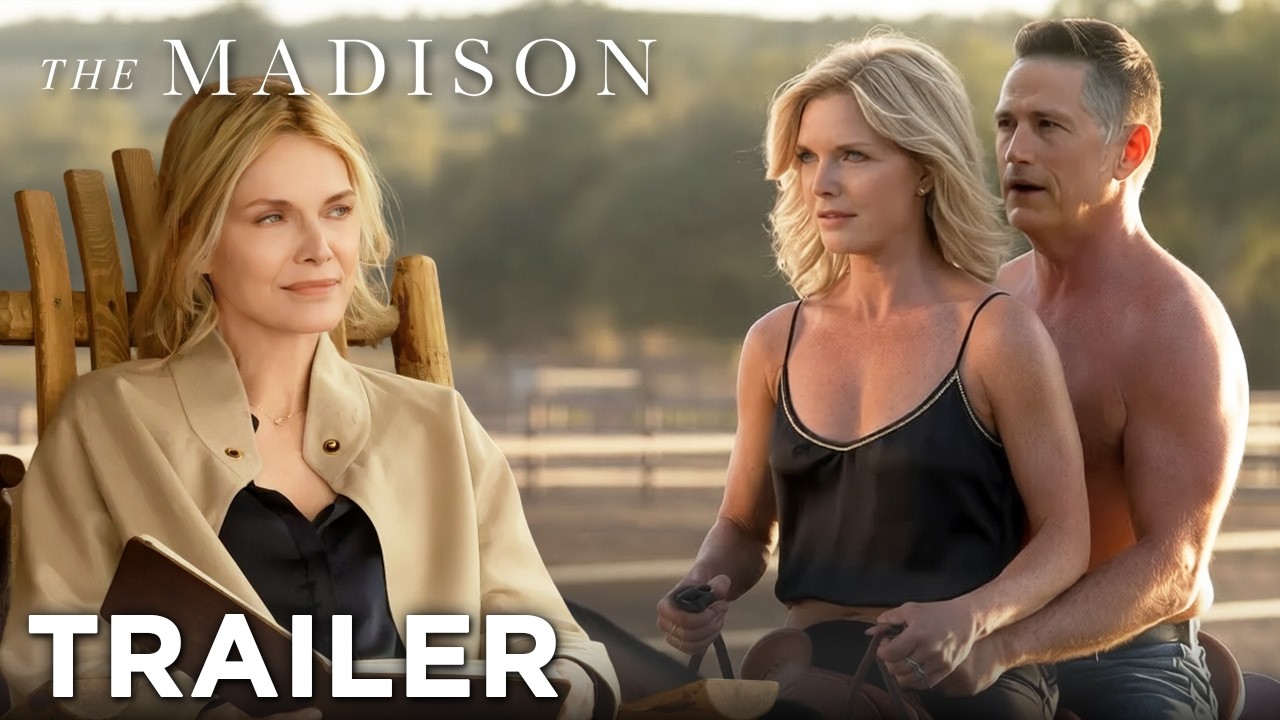
The message is clear. This story is not about what explosive events will occur next. It is about how people live with what has already happened.
The series is set to premiere on March 14, 2026, and it is positioned as a deeply emotional addition to the expanding world of modern frontier storytelling. With a six-episode structure, the narrative seems designed to explore its characters with patience and depth rather than rushing through dramatic plot points.
By the time the trailer fades to black, viewers are left with lingering questions rather than clear answers. What exactly did the Clyburn family lose? Will Montana become a place of healing or another stage for unresolved pain? And perhaps most importantly, can people truly rebuild their sense of self after their lives have been shattered?
The preview does not try to answer those questions outright. Instead, it invites the audience to step into a story about loss, resilience, and the complicated journey toward emotional recovery. The real drama, it suggests, will not come from external battles but from the choices these characters make as they struggle to keep moving forward.
In the end, The Madison promises a story where the landscape is vast, the emotions are raw, and the greatest conflicts take place within the human heart.