The moment Delilah collapsed in the park, visibly pregnant and utterly alone, longtime viewers of General Hospital knew this was no random medical emergency. Soap fans are trained to spot a plot device from a mile away, and a mysterious, seven-months-pregnant woman with no local ties practically screams long-term storyline. The real question isn’t whether this will change lives in Port Charles. It’s whose lives—and at what cost.
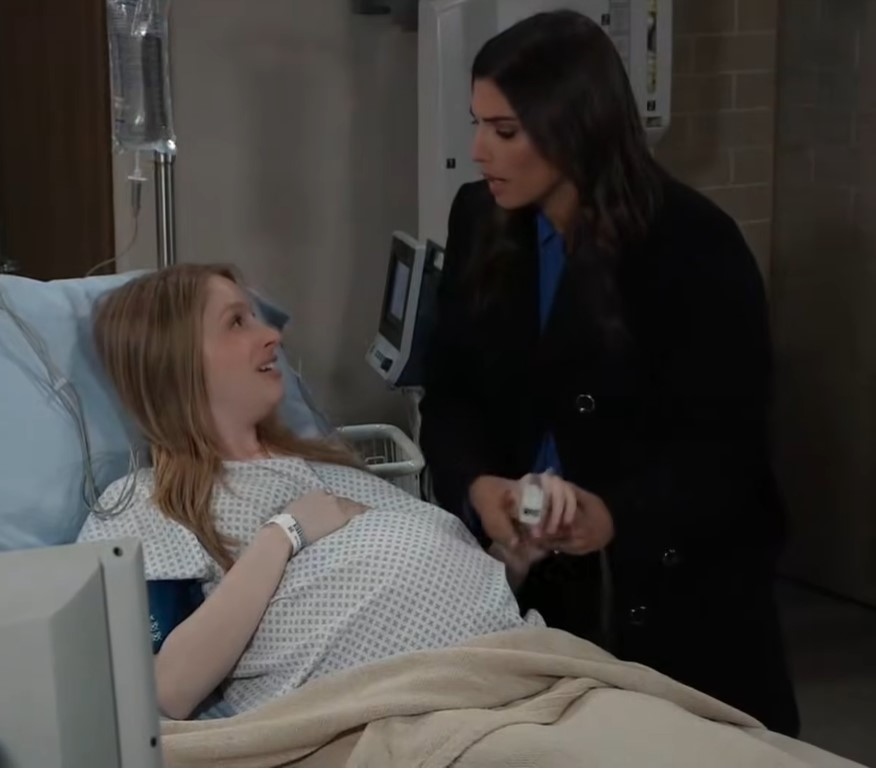
Let’s start with the most chilling possibility: Delilah may not survive. Soap history has taught us that when a heavily pregnant outsider shows up with no established backstory, refuses medical help, and then ends up needing an emergency C-section due to internal bleeding, the odds are not in her favor. These are classic “death flag” signals. She’s not deeply rooted in canvas. No family has been mentioned. No friends are at her bedside. She exists, narratively speaking, in isolation. That’s rarely accidental. In soap logic, isolation often means expendable.
But while Delilah’s survival feels uncertain, the baby’s fate feels much clearer. General Hospital rarely wastes the emotional and dramatic potential of a newborn. A surviving baby opens the door to bonding, custody battles, identity twists, and emotional healing arcs. Killing both mother and child would shut down too many storytelling avenues. Saving the baby while losing the mother, however, creates instant heartbreak and instant attachment. And who just happens to be perfectly positioned for that attachment? Brook Lynn and Chase.
It cannot be a coincidence that Brook Lynn and Chase were the ones who found Delilah. In soap storytelling, proximity equals destiny. They didn’t just call for help. They held her hand. They rushed her to the hospital. Brook Lynn went into the trauma room with her. That emotional imprint matters. When a character is physically present at a life-or-death turning point, the writers are planting seeds. If Delilah dies, Brook Lynn won’t just feel sympathy. She’ll feel responsibility.
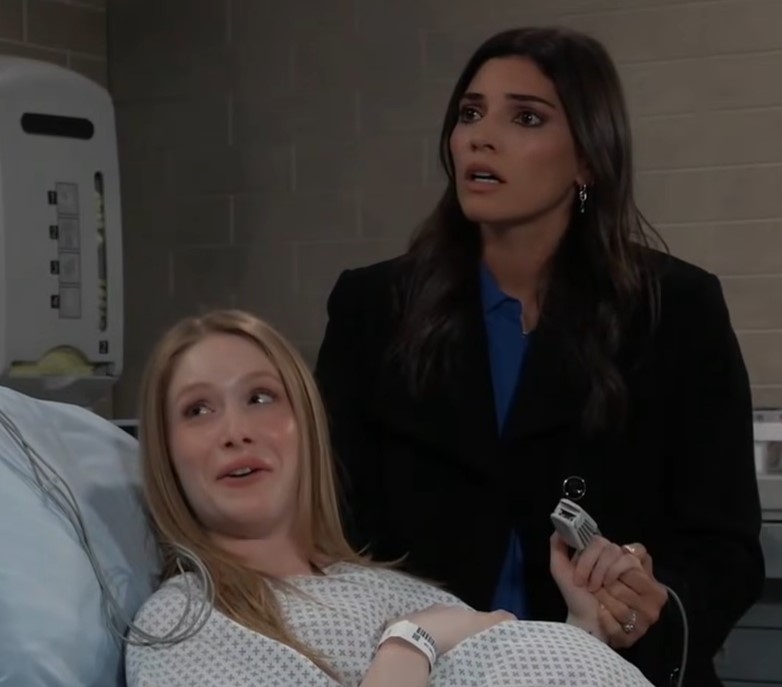
Timing makes this theory even stronger. Brook Lynn and Chase’s marriage has been wobbling under the surface. There are lingering tensions, unresolved insecurities, and the ever-present shadow of other emotional entanglements. What better way to either cement their bond or test it than with a baby? A child can act as glue in soap romances, but it can also expose fractures. Giving them a newborn would instantly raise the stakes of every argument, every hesitation, every divided loyalty.
There’s also the Quartermaine legacy factor. Brook Lynn has always been deeply tied to family identity and tradition. If this baby becomes hers through adoption, imagine the symbolism if she chooses to honor Delilah in the child’s name, perhaps even connecting it to Lila Quartermaine in some way. That would root the baby into Port Charles history overnight. An outsider’s child would become a Quartermaine heir, and that kind of transformation is pure soap gold.
Of course, no adoption storyline in Port Charles ever stays simple. Even if Delilah dies and Brook Lynn and Chase step forward as adoptive parents, drama is guaranteed. A previously unknown relative could emerge demanding custody. A biological father could surface months later, furious and grieving. The emotional devastation of bonding with a child only to face a legal battle would stretch this arc for a year or more. And fans know this show loves a long game.
Then there’s the thematic angle. Brook Lynn has often been portrayed as passionate, impulsive, and fiercely loyal. Motherhood would force her into a new level of maturity and sacrifice. Chase, meanwhile, would be tested in his ability to prioritize his marriage above all distractions. A baby doesn’t just add sweetness; it adds pressure. Sleepless nights, financial strain, divided attention. If their relationship survives that, it becomes unbreakable. If it doesn’t, the fallout would be explosive.

Some viewers argue this storyline feels too predictable. That may be true on the surface. But predictability in soaps is often just the setup. The twist comes later. The real shock may not be that Brook Lynn and Chase adopt the baby. The shock may be who comes knocking months from now to claim what they believe is theirs. Or what secret from Delilah’s past resurfaces once everyone thinks the storm has passed.
In the end, this may not be Delilah’s story at all. It may be the origin story of a child who reshapes two families and forces Brook Lynn and Chase to either rise together or fall apart. If Delilah was brought to Port Charles as a catalyst rather than a long-term character, then her tragic fate could be the spark that ignites one of the biggest emotional arcs of the year. And if history tells us anything, in Port Charles, a baby never just means a baby. It means war, love, loss, and a future no one sees coming until it’s too late.