Billy Bob Thornton Leaving Landman?! The Hoax That Fooled Everyone
If you thought the Dutton ranch was the only place where power plays, betrayals, and whispered threats could set the internet on fire, think again. For a few chaotic days, fans of modern Western drama were convinced that a seismic shift was about to hit the screen: Billy Bob Thornton was supposedly walking away from Landman. Social media braced for impact. Comment sections spiraled. Theories multiplied. And yet, like so many rumors born in the digital age, this one thrived on tension rather than truth.
The irony? The panic felt completely believable.
Much like the ruthless world of Yellowstone, Landman is steeped in instability. Deals are struck with veiled threats. Alliances shift overnight. Men who seem untouchable suddenly find themselves staring down consequences. So when whispers began claiming that Billy Bob Thornton’s character, Tommy Norris, was being written out after Season 2, fans didn’t dismiss it outright. In fact, many assumed it was only a matter of time before a show built on volatility claimed its biggest name as the next casualty.
The rumor spread with alarming speed. Short-form videos declared insider confirmations. Fan accounts posted dramatic captions hinting at behind-the-scenes conflict. Some suggested creative disagreements. Others claimed contract disputes. A few even insisted the network was preparing for a sweeping cast overhaul. The headlines were bold. The music was ominous. The confidence was persuasive.
But there was one glaring problem.
None of it was real.
No official statement emerged from Paramount. No confirmation came from series creator Taylor Sheridan. No reputable outlet—neither Variety nor The Hollywood Reporter—reported Thornton’s departure. And most importantly, Billy Bob Thornton himself said nothing about leaving.
Still, the rumor worked because it exploited something powerful: narrative expectation.
Tommy Norris exists in a world of escalating danger. Season 2 pushes him deeper into corporate warfare, oil-field politics, and personal strain. Every negotiation feels like it could explode. Every confrontation simmers with threat. Viewers are conditioned to anticipate loss. When a show consistently raises stakes, audiences begin to brace for sacrifice. In a landscape shaped by Sheridan’s storytelling—where no alliance is sacred and no character entirely safe—the idea of a shocking exit feels not only possible, but probable.
And that psychological setup is exactly what allowed the hoax to flourish.
Television history has trained viewers to expect sudden departures. Contracts fall apart. Creative visions clash. Actors pivot to film. The industry is filled with examples of major stars leaving mid-series. Thornton himself has long balanced television and cinema, from his Oscar-winning work in Sling Blade to his acclaimed turn in Fargo. Because his career has never been confined to one medium, some fans assumed Landman might simply be another chapter rather than a long-term commitment.
But assumption is not confirmation.
Unlike a true behind-the-scenes shakeup, this rumor had no production evidence supporting it. There were no casting calls hinting at a new lead. No reports of creative restructuring. No farewell interviews. Paramount’s promotional material continued to center Thornton prominently. Marketing campaigns leaned into his presence rather than distancing from it. If anything, the network’s actions suggested stability—not departure.
So how did the misinformation gain so much traction?
The answer lies in amplification.
Modern entertainment news travels differently than it did even five years ago. Algorithms reward emotion. A headline like “Billy Bob Thornton Leaving!” triggers anxiety and curiosity in equal measure. Fans click to confirm their fears. They comment to express disbelief. They share to warn others. Engagement skyrockets. The platform interprets engagement as relevance. The rumor spreads further.
Repetition creates the illusion of verification.
When multiple creators repeat the same claim—even if each is referencing the other rather than a primary source—it begins to feel substantiated. Screenshots circulate without context. Interview clips are trimmed to remove nuance. Thornton’s comments about the emotional toll of portraying complex, morally burdened men were reframed as hints of dissatisfaction. Observations about long shoot schedules became supposed evidence of burnout.
But actors discussing intensity is not the same as actors quitting.
In fact, Thornton has often gravitated toward layered, pressure-filled roles. That fascination with flawed authority figures aligns perfectly with the thematic terrain of Landman. Tommy Norris is not a carefree hero. He is worn, calculating, perpetually negotiating survival—personal and professional. Removing him would require a structural overhaul of the entire series.
Unlike ensemble dramas where narrative weight shifts fluidly among multiple protagonists, Landman revolves around Tommy. Corporate deals, oil negotiations, family tensions, and looming threats all orbit his decisions. He is not merely part of the machinery; he is the engine.
From a business perspective, his presence matters just as much.
Television networks invest heavily in recognizable stars to anchor new series. Thornton brings decades of credibility and audience trust. His Academy Award recognition for Sling Blade elevated his artistic stature. His television performances reinforced his versatility. For Paramount, his involvement strengthens the show’s market position. Removing that anchor mid-run—without public explanation—would introduce significant financial and creative risk.
And yet, because Landman exists in a universe where danger feels constant, fans blurred the line between fiction and production reality.
Sheridan’s broader body of work reinforces this expectation. In Yellowstone, power vacuums emerge suddenly. Characters meet brutal ends. Authority is never secure. That storytelling DNA primes audiences to believe that anything can happen—not just on screen, but off it. When instability defines the narrative, viewers unconsciously project that instability onto the production itself.
The hoax capitalized on that projection.
For a brief moment, it seemed plausible that Tommy Norris might reach a breaking point so dramatic that it mirrored an actor’s exit. Fans speculated about sacrificial story arcs. Some theorized that Season 2 was building toward a fatal climax. Others imagined a strategic disappearance that would reshape the corporate battlefield. Threads exploded with analysis. Comment sections filled with mourning for an event that had not occurred.
Then something curious happened.
Nothing.
No official announcement followed. No credible outlet corroborated the claims. No replacement lead was introduced. The digital noise began to collapse under the weight of its own emptiness. Without reinforcement from established industry channels, the story lost oxygen.
Silence became clarity.
When legitimate entertainment journalism reports a major departure, it typically cites studio confirmation, agency statements, or direct interviews. The absence of such reporting is telling. In this case, that absence was the most reliable indicator of the rumor’s falseness.
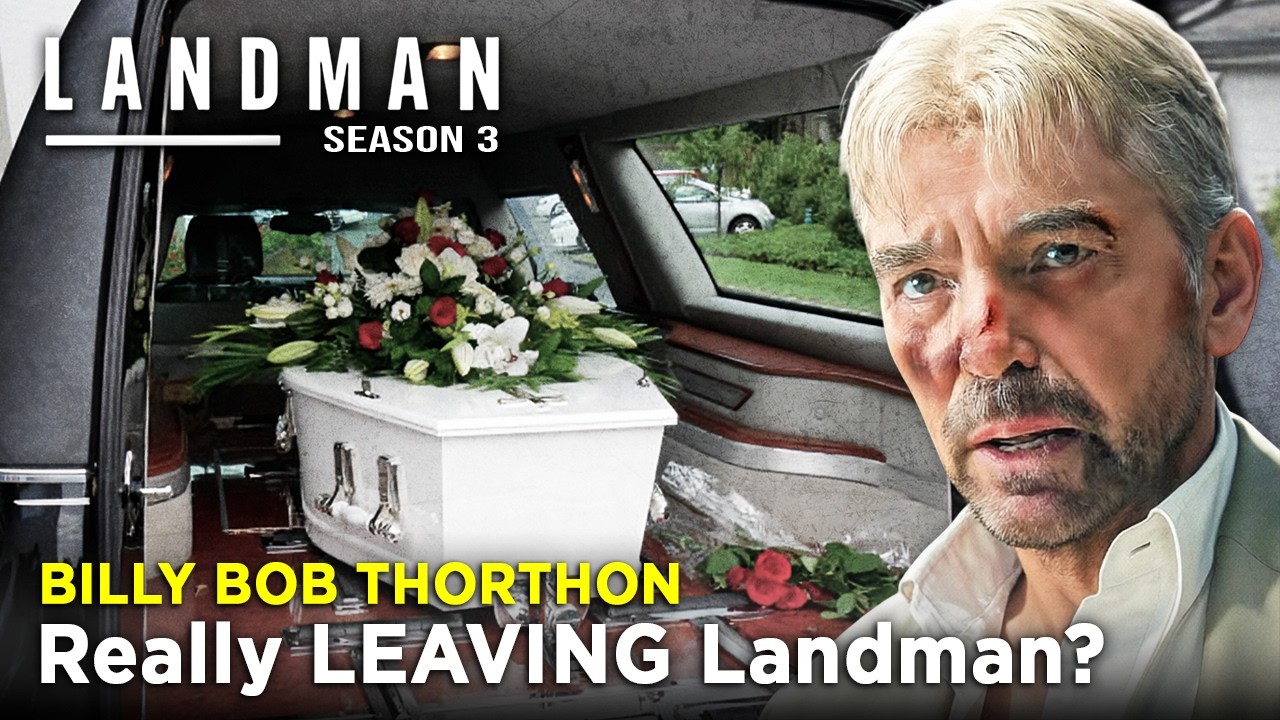
By the time skepticism overtook panic, many fans had already internalized a lesson about the fragility of digital truth. A single speculative post can morph into widespread belief within hours. Urgent language—“confirmed,” “breaking,” “shocking exit”—can override critical thinking. And in fandom spaces where emotional investment runs high, fear spreads faster than verification.
Yet as of now, Billy Bob Thornton remains firmly embedded at the center of Landman. Tommy Norris continues navigating corporate warfare and personal strain. His conflicts remain unresolved. His story is still unfolding. There has been no verified indication—from Paramount, from Taylor Sheridan, or from Thornton—that he is departing.
The real drama, it turns out, unfolded not in West Texas oil fields, but online.
The idea of Thornton leaving was compelling because it felt consistent with the genre’s harsh unpredictability. It mirrored the tone audiences have come to expect from Sheridan’s universe—a world where alliances fracture and security is an illusion. But tone is not proof. Narrative danger does not equal contractual exit.
In the end, the hoax revealed less about Billy Bob Thornton’s future and more about how quickly modern audiences can be swept into speculative storms. Headlines travel faster than facts. Algorithms reward alarm. Repetition masquerades as confirmation.
Tommy Norris may face enemies, corporate assassins, and ruthless negotiators. He may be cornered, threatened, even seemingly defeated. But for now, the man behind him is not walking away.
The storm that rattled fans wasn’t a casting shakeup. It was a reminder: in today’s entertainment landscape, the most explosive drama might not happen on screen at all.